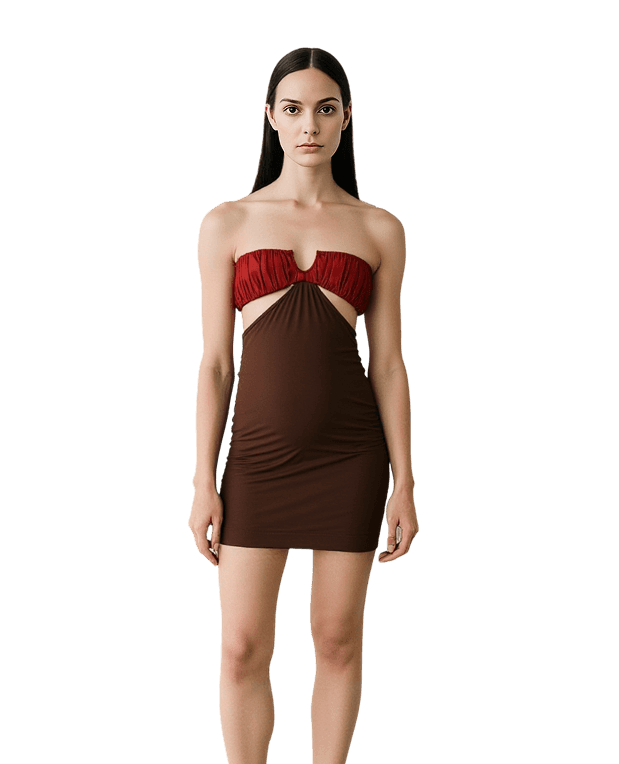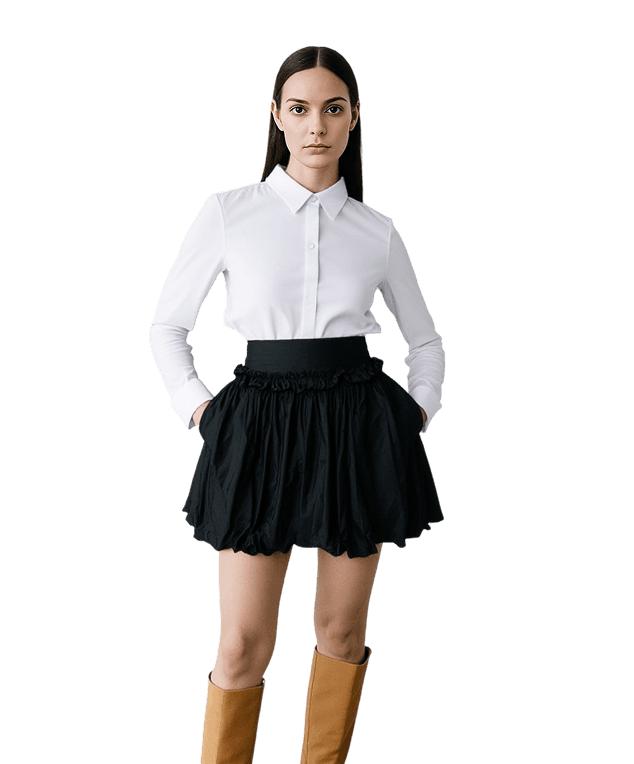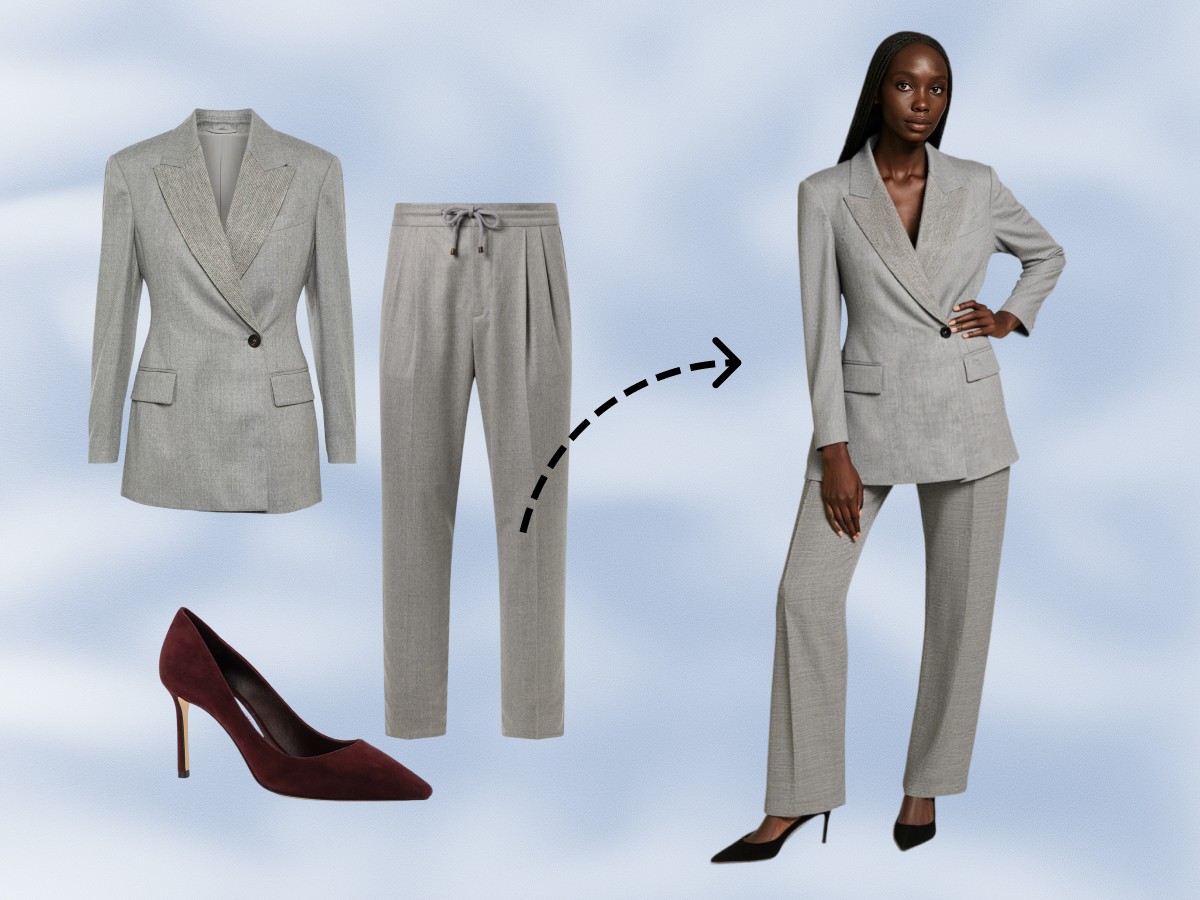
AI virtual try-on is going mainstream because online fashion still asks shoppers to make the one guess they hate most: how something will actually look on them. They scroll through product pages, zoom into fabrics, check size charts, maybe even open three tabs to compare similar items… and still hesitate at checkout.
Because the real question remains unanswered: Will this actually look good on me?
That uncertainty is what drives one of the biggest inefficiencies in fashion e-commerce today. Return rates in the category still reach 30–40%, largely due to mismatched expectations around fit, styling, and appearance. And behind every return is a breakdown in confidence.
For years, brands have tried to solve this with better photography, more detailed descriptions, and faster logistics. But none of that replaces the one thing customers actually need: the ability to see the product on themselves.
Why Virtual Try-On Is No Longer Optional
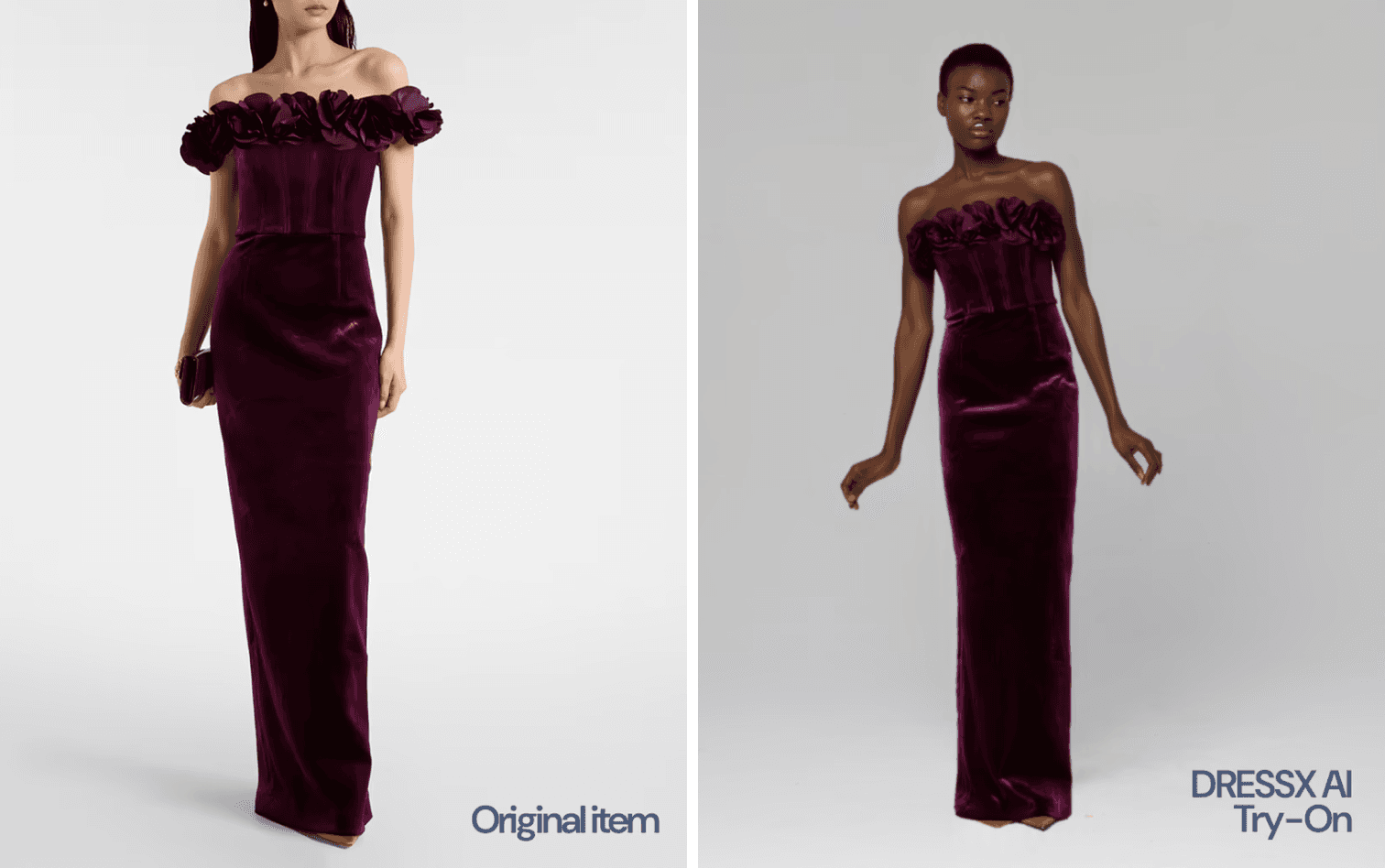
This is where AI virtual try-on changes the equation. Instead of imagining how a piece might look, customers can now visualize it on their own body before making a decision. The shift is small on the surface, but significant in impact.
Research shows that:
Virtual try-on can reduce return rates by up to 25-40%
Shoppers are significantly more confident when they can visualize products on themselves
Interactive experiences increase engagement and time spent on-site
More importantly, it aligns with how people now expect to shop.
Today’s consumers are used to personalization, instant feedback, and visual-first experiences. Static product pages feel increasingly outdated. The expectation is shifting toward interactive, decision-supporting tools, rather than simple product displays.
For more benefits of the virtual try-on, check out our blog: The Future of Returns: Can Virtual Try-On End Fashion Waste?
Zara Signals That Virtual Try-On Has Reached the Mainstream
Zara’s recent move into AI-powered virtual try-on is a signal. When a brand operating at that level of scale begins integrating this kind of technology, it reflects a broader shift in consumer expectations. Zara doesn’t typically experiment without reason. It responds to behavior, which is now clear: customers want more clarity before they buy.
Zara’s adoption shows that virtual try-on is no longer niche or experimental, but rather is entering the mainstream layer of fashion retail, where tools need to work seamlessly, quickly, and at scale.
While this marks the beginning of widespread adoption, it also highlights a gap; since most implementations today still focus on single-item visualization, showing how one product might look, rather than helping customers understand the full picture.
And that’s where the next stage of the technology begins.
DRESSX Sets a New Standard for Virtual Try-On
While much of the market is just starting to introduce virtual try-on, DRESSX approaches it differently: as a core part of the shopping experience, not an add-on. Through its B2B solution, DRESSX enables brands to move beyond basic visualization and into full styling interaction.
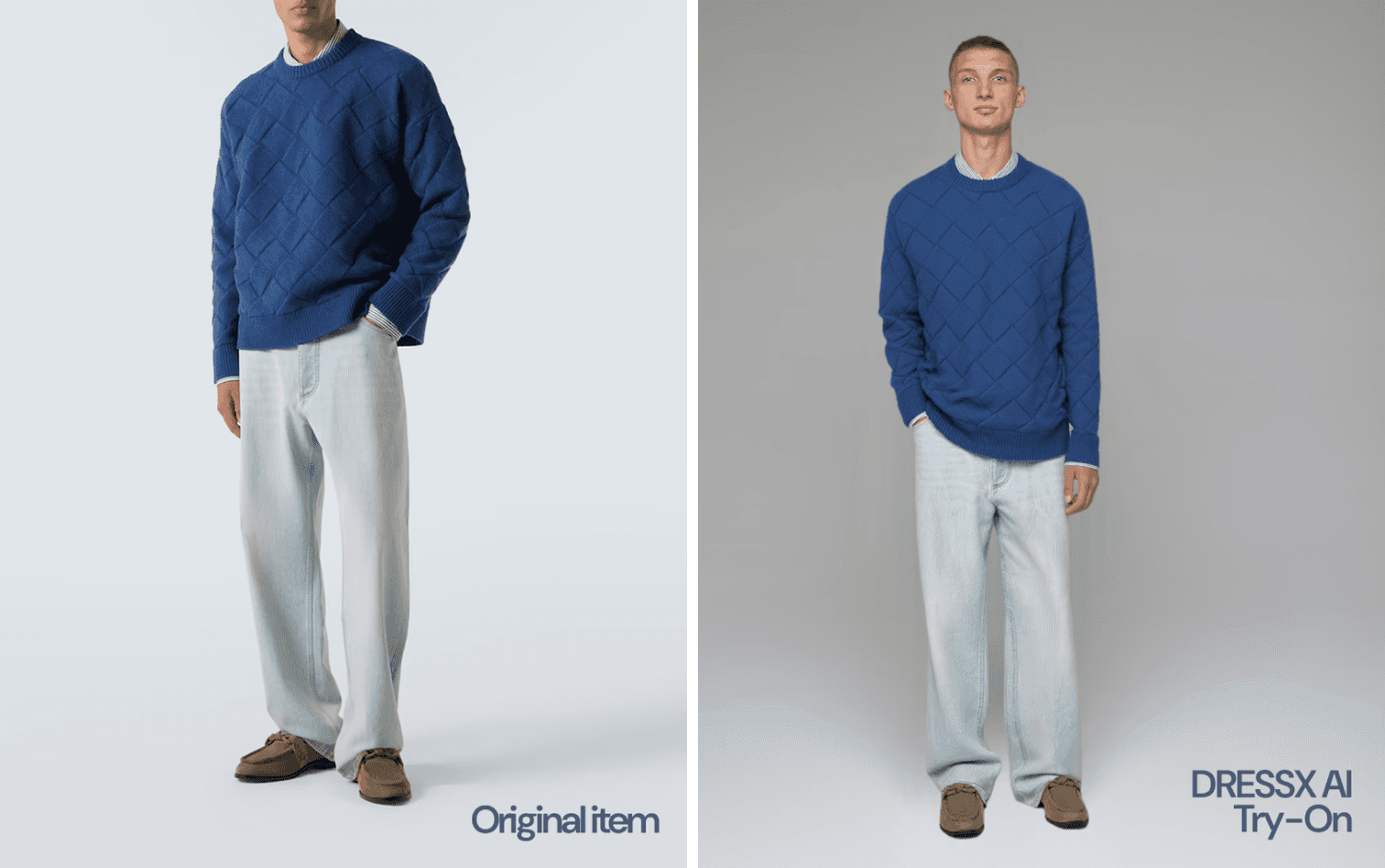
Instead of simply placing a garment on a static image, DRESSX allows users to:
See clothing on their own body with high visual realism
Experiment with different styles and silhouettes
Build complete outfits, not just try individual items
Explore options based on context — occasion, budget, or personal taste
This changes the role of virtual try-on entirely. The old question “Does this fit?” becomes the right one “Does this work for me?”. And that distinction matters, because customers don’t buy individual items in isolation; they buy outfits, identities, and outcomes. The closer a brand can get to helping them visualize that outcome, the more confident — and decisive — the purchase becomes.
Turn Browsing into Decision-Making
Traditional e-commerce is built around browsing. Customers scroll through options, compare products, and gradually narrow down their choices. The process is time-consuming, fragmented, and often inconclusive.
Virtual try-on shifts the model from passive browsing to active decision-making, reducing friction at every step:
Fewer abandoned carts: conversion rates can increase by up to 20-30% with interactive try-on experiences
More intentional purchases: shoppers are up to 2x more likely to complete a purchase when they can visualize products on themselves
Lower return rates: early implementations show reductions of around 20-25%, with some cases reporting higher
Stronger trust in the brand: over 90% of shoppers say visual technologies like AR/try-on improve purchase confidence
And ultimately, better margins.
What This Means for Fashion Brands
Virtual try-on isn’t just another feature — it’s becoming a new standard for digital retail. As customers move away from static browsing, they expect tools that help them make decisions quickly, visually, and with confidence. Zara’s move signals that this shift has reached the mainstream — and that expectations are already changing.
For brands, virtual try-on directly impacts performance across key metrics:
Higher average order value: outfit-level thinking encourages multi-item purchases rather than single-product checkouts
More competitive positioning: brands offering interactive, personalized experiences stand out in an increasingly crowded market
Stronger product discovery: customers engage with a wider range of items when they can see how pieces work together, not just individually
As soon as customers experience this level of clarity with one brand, they begin to expect it everywhere. Virtual try-on is quickly becoming part of that expectation — not an innovation, but a baseline.
To explore how personalization is evolving alongside these technologies, read more here:
From Selfies to AI Twins: The New Era of Personalized E-Commerce
The New Role of Virtual Try-On
AI virtual try-on is quickly becoming the missing layer of online shopping — the technology that turns browsing into understanding, and inspiration into confident decisions. As it evolves, it won’t just help customers see products more clearly; it will reshape how they interact with fashion entirely, making shopping more intuitive, personalized, and visual.
Fashion is already moving in this direction. As brands begin to adopt virtual try-on at scale, the experience is shifting from static product pages to something far more dynamic. Solutions like Virtual Try-On by DRESSX are leading this transition, combining high-quality visualization with styling intelligence to create a more complete and empowering shopping journey for both brands and their customers.
For brands looking to stay competitive, the opportunity is clear: integrate tools that reduce uncertainty and increase confidence at every step. And for those exploring what this future looks like in practice, DRESSX Virtual Try-On is a strong place to start.