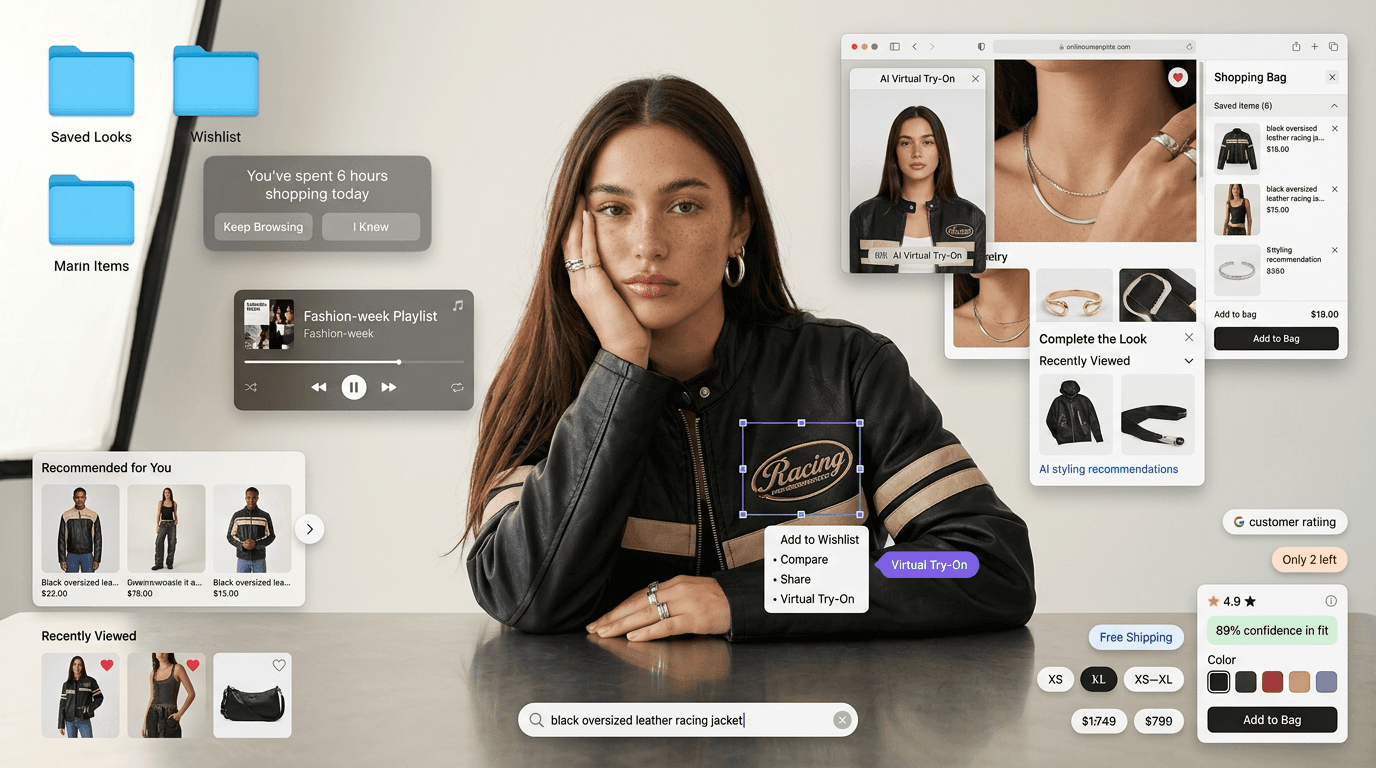
Fashion ecommerce has run on the same model for years: a customer lands on a site, types a few keywords into a search bar, applies filters, and scrolls until something looks right.
The problem is that shoppers rarely think in keywords. They are not searching for a blue midi dress. They are looking for something to wear to a summer wedding.
The Problem With Search Bars in Fashion Ecommerce
A search bar can only match what a shopper types, not what they actually need. Someone looking for straight-leg denim usually means jeans that fit well and suit their body, not a specific cut name.
AI shopping assistants close that gap by understanding natural language and asking follow-up questions, guiding a shopper toward relevant products the way a store associate would. Personalization systems then layer on top, learning from behavior and purchase history to keep recommendations relevant over time.
How Much Better Do AI Shopping Assistants Convert?
Shoppers who used an AI assistant converted at 12.3%, compared with 3.1% for those who did not, nearly four times higher, according to Rep AI's 2025 Ecommerce Shopper Behavior Report.
Macy's saw a similar pattern with its Gemini-powered chatbot. Shoppers who used it generated close to five times more revenue per visit than those who did not during testing, Bloomberg reported in March 2026.
The gains are not limited to conversion. 69% of shoppers said they were less likely to return an item they bought with AI assistance, per a 2026 BigCommerce survey. Brands that lead on personalization also compound that advantage over time, growing 10 or more percentage points faster annually than laggards, according to BCG.
Even within a single session, the effect shows up directly in revenue. Product recommendations drive up to 31% of total ecommerce revenue in sessions where shoppers engage with them, per Barilliance.
What Fashion Brands Are Building
Ralph Lauren launched Ask Ralph in September 2025, a conversational shopping assistant built with Microsoft on Azure OpenAI. Shoppers ask questions like what to wear to a concert or how to style a navy blazer, and receive shoppable, fully styled outfits pulled from the Polo Ralph Lauren collection.
ASOS built an AI Stylist that lets shoppers discover outfits through natural-language prompts instead of category filters, recommending pieces from across hundreds of brands based on occasion and personal style.
Marc Jacobs implemented an AI personalization engine for product recommendations across its site and email. The result was 137% higher average revenue per session, with 9% of online GMV coming directly from AI-powered recommendations, according to a Nosto case study.
How DRESSX Brings AI Personalization Into Fashion Retail
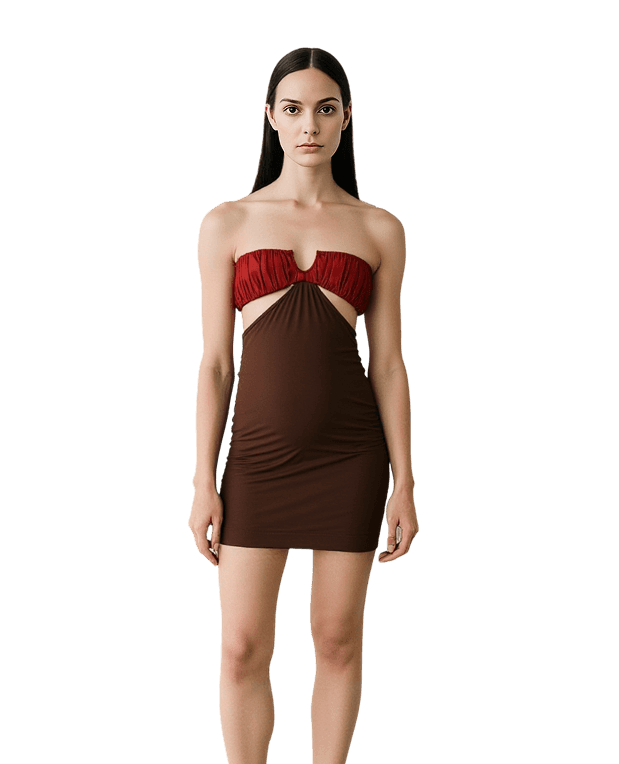
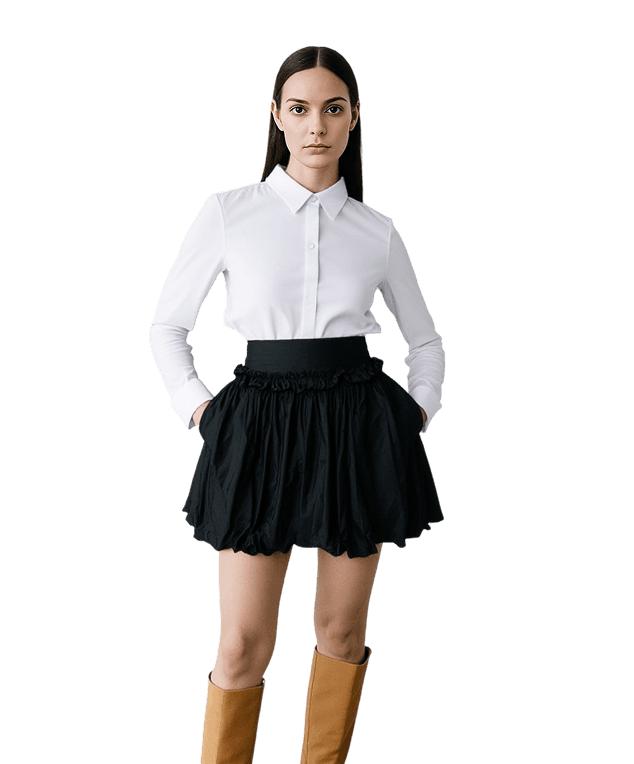
DRESSX partnered with Windsor Fashion to bring virtual try-on directly into its mobile app. Occasionwear for proms, weddings, and parties is an emotional category, and the goal was to match the shopping experience to that energy.
Customers can upload a photo to try on individual pieces or use an AI-powered Mix & Match module to generate full outfit combinations across tops, bottoms, and shoes. Discovery runs on DRESSX's LLM-powered contextual search, letting shoppers find complete looks for a specific event instead of browsing item by item.
Personalization does not stop at the website. DRESSX's VIP Shop Assistant lets retail teams deliver personalized try-ons, styling recommendations, and curated lookbooks through WhatsApp and CRM systems.
For luxury and premium brands, that extends personalization into the client relationships that often drive the highest-value purchases.
The same logic applies beyond chat. DRESSX has also covered how personalized email campaigns extend this approach to a channel most brands still treat as generic.
Where to Start This Week
A brand does not need to build an assistant to find out where one would help most.
Type a real customer query, such as "what to wear to a black tie dinner," into the on-site search. Generic category filters instead of styled recommendations is the first gap to close.
Check what percentage of revenue comes from product recommendations today. If it sits under 10%, the personalization engine is not generating the revenue it could.
Export recent customer service chat logs and identify the most frequent pre-purchase questions. Those are the first use cases any AI assistant needs to handle before adding anything more complex.
The Shift From Search to Personal Commerce
The brands ahead on this shift, from Ralph Lauren to Marc Jacobs to Windsor Fashion, are doing more than adding a chatbot to their site. They are rebuilding discovery around what a shopper actually wants: styled recommendations and outfits built for a real occasion, with sizing confidence built in.
This is one of eight applications covered in the DRESSX AI Guide for Fashion E-Commerce Leaders, alongside virtual try-on, GEO, and content production.
→ Explore DRESSX AI Customer Assistant for fashion brands
→ Get the full DRESSX AI Guide for Fashion E-Commerce Leaders