A shopper today does not always type "blue midi dress" into Google. Increasingly, they ask ChatGPT what to wear to a summer wedding, or ask Claude for the best sustainable denim brand.
If a fashion brand is not part of that answer, it is invisible, regardless of how well it ranks on a traditional search results page.
What Is GEO, and Why Does It Matter for Fashion Brands?
Generative Engine Optimization, or GEO, is the practice of making a brand's content visible to AI models so they can reference and recommend it directly in their answers, rather than only ranking it in a list of links.
The shift behind GEO is already measurable. Adobe's 2026 Q2 AI Traffic Report found that traffic from AI sources to U.S. retail sites grew 393% year over year in the first quarter of 2026.
Shoppers who arrive through that channel behave differently too. Adobe reports they converted 42% better than other traffic in March 2026, and were 32% less likely to bounce.
The channel is also concentrated. ChatGPT alone accounts for roughly 79% of global generative AI web traffic, according to SimilarWeb. Among fashion brands specifically, Zara received 325,600 AI referrals in June 2025, more than any other label SimilarWeb tracked.
How Do AI Systems Decide Which Fashion Brands to Recommend?
AI systems recommend brands based on what they can find and how relevant it is to the question, weighted heavily by how credible the source looks. Many pull a live web search to answer, rather than relying only on what they learned in training.
Jenna Hannon, Founder and CEO of Hatter, an AI search software company, explained the mechanics directly: "LLMs train on everything on the web, and they run a real-time search about 60 percent of the time you ask a question. They decide who to recommend based on what they can pull, how relevant it is, and how credible the source is."
That has a direct implication for how people search. "People use AI differently from Google," Hannon said. "They go deeper and ask more specific questions, so the brands that get recommended are the ones that have clearly answered those specific questions somewhere on the web. In many cases, it's on their own website."
Three Ways to Make a Fashion Catalog Visible to AI
Microsoft Advertising's 2026 guide to GEO outlines three priorities that apply directly to fashion ecommerce catalogs.
Make the catalog machine-readable. AI systems need structured, consistent data at every touchpoint. That starts with descriptive product titles and full schema coverage across products, offers, reviews, and FAQs.
It also means pricing and inventory that stay in sync between a brand's feed and its on-site schema in real time, since AI systems treat mismatched data as a trust problem.
Design content for intent, not keywords. A shopper asking what to wear to a summer wedding that does not need dry cleaning wants a direct answer, not a keyword match. Product descriptions should lead with who a piece is for and what problem it solves, supported by Q&A content built around the questions customers actually ask.
Build trust signals AI can read. AI systems favor sources they can verify. That means marking verified reviews with correct schema and linking structured data to official social and retailer profiles.
It also means avoiding exaggerated claims. AI systems treat unverifiable claims as a negative trust signal, not a neutral one.
What Fashion Brands Get Wrong About GEO
Asked about the biggest misconception brands bring to her, Hannon pointed to scale. "That it's a single channel or a quick hack," she said. "GEO is about training the LLMs on who you are, what you do, what makes you different, and exactly when you should show up. It's the sum of all the content you create, and all the content that is created about you online."
Her advice on where to start is specific rather than broad. "The brands showing up in AI answers aren't writing 'sustainable fashion,' they're writing 'sustainable occasion wear for petite women.'" That specificity, built into product pages, FAQs, and blog content, is what gives AI systems something precise to cite.
On timeline, Hannon compares GEO directly to SEO. "Results compound, which means consistency beats intensity every time." A brand that treats GEO as a one-time project rather than an ongoing practice will lose visibility to brands that keep publishing.
How to Start This Week
A few concrete checks can show a brand where it currently stands before any content work begins.
Ask ChatGPT, Claude, Gemini, and Perplexity the same questions customers would ask, without naming the brand, and check whether its products appear.
Use an AI visibility tool to see how often the brand appears in AI-generated answers compared with competitors.
Update best-selling product pages so titles, descriptions, and FAQs answer specific customer questions instead of relying on generic keywords.
Strengthen the brand's presence across trusted third-party sources, including reviews, media coverage, and influencer content.
Where This Fits Into a Broader AI Strategy
A catalog that is incomplete or inconsistent works against GEO before any schema work even begins. AI systems need full coverage of a product, beyond a single flat-lay image, to describe it accurately in an answer.
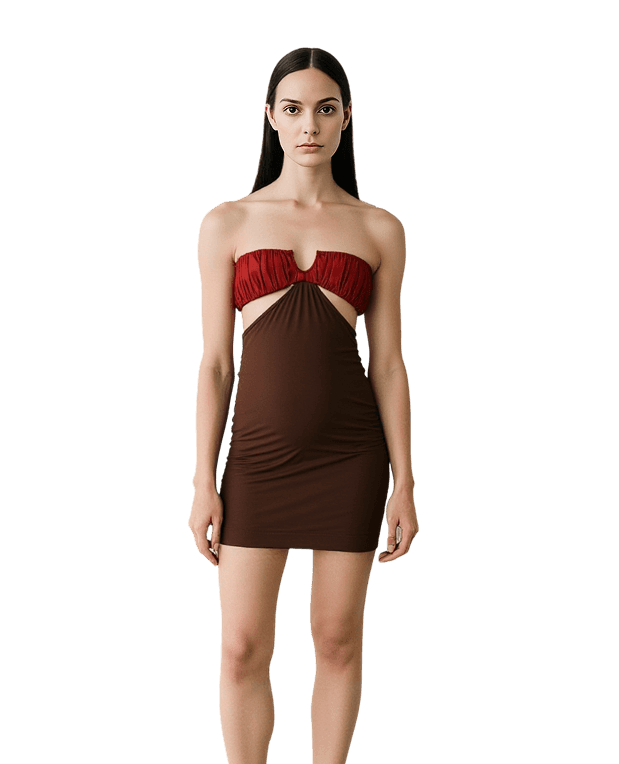
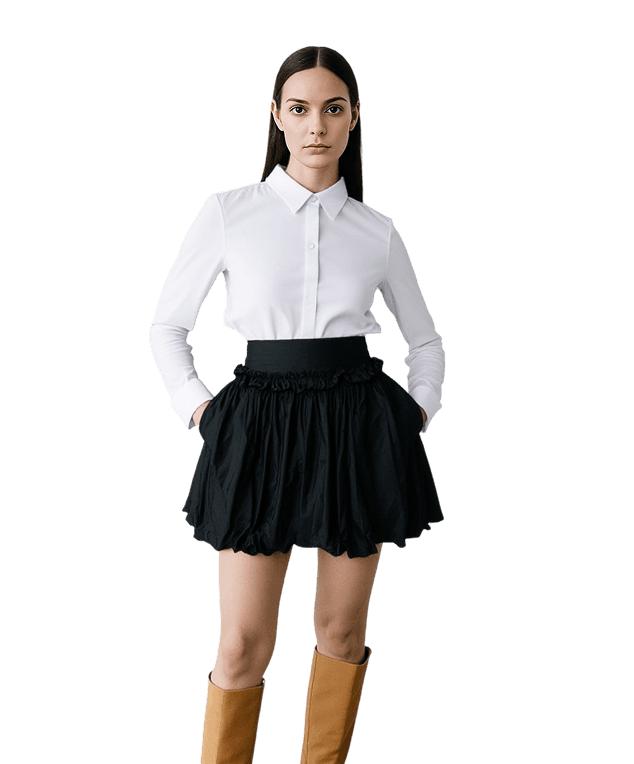
That is part of why DRESSX built AI Studio to generate complete, on-model content across a full catalog rather than a handful of hero shots.
AI Studio sits inside the broader DRESSX AI Suite, alongside virtual try-on and personalization.
GEO is one of eight chapters covered in more depth in the DRESSX AI Guide for Fashion E-Commerce Leaders.
→ Get the full DRESSX AI Guide for Fashion E-Commerce Leaders