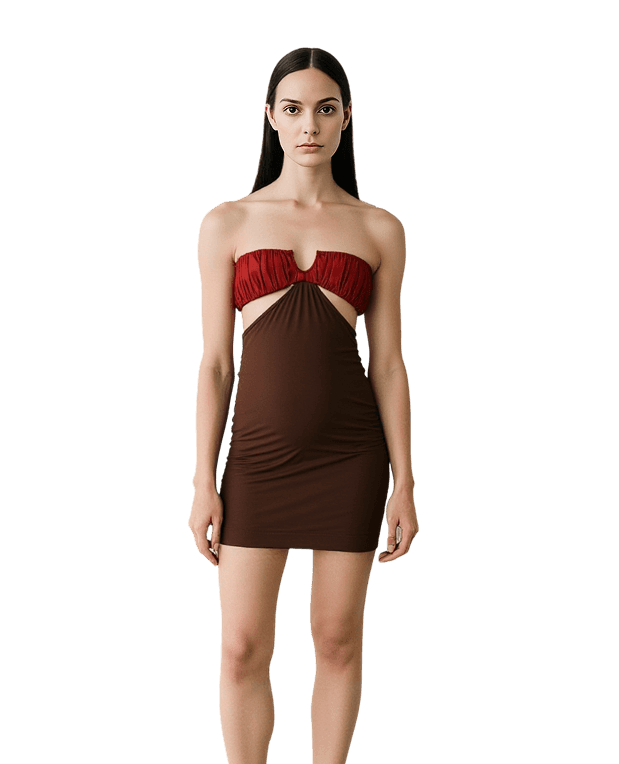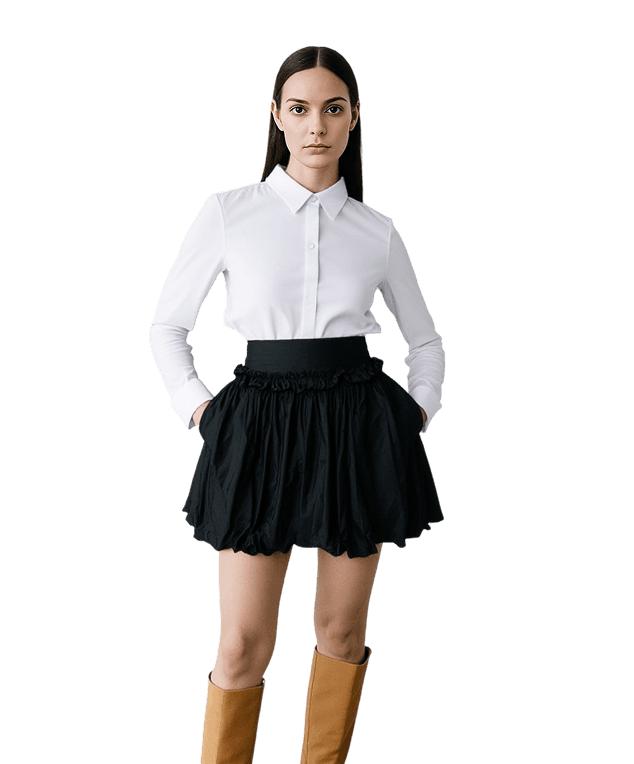
Zara has started using AI to edit existing photos of real models, placing different garments on the same body instead of booking a new shoot for every item. One photo session now produces what used to take dozens.
The retailer is not hiding the shift. It is a preview of where fashion content production is headed, for brands with a fraction of Zara's budget too.
What Exactly Did Zara Do?
Zara requests permission from its models to digitally edit existing photographs, placing different clothing items on the same body through AI, according to Reuters. The retailer confirmed the practice in December 2025.
London business newspaper CityAM first reported the story, citing an unnamed model who said Zara asked for approval to edit their images with AI to show different items. The model said they were paid the same amount as they would have received for traveling to a separate photo shoot.
"We are using artificial intelligence only to complement our existing processes," a spokesperson for Zara owner Inditex told Reuters. "We work collaboratively with our valued models, agreeing any aspect on a mutual basis, and compensate in line with industry best practice."
Is Zara the Only Retailer Doing This?
Zara is not the only retailer doing this. Its move follows Swedish rival H&M, which said earlier in 2025 that it had created AI clones of its models for marketing use, and Zalando, which is using AI to speed up product imagery creation, according to Reuters.
Inditex is also investing in AI on the customer-facing side. Its Zara Try-On feature, a separate tool that lets shoppers preview items on a personalized avatar, surpassed 7 million sessions across 43 markets within weeks of launch, according to Inditex's latest results.
Two distinct AI investments, content production and customer-facing try-on, both point in the same direction: AI is becoming standard infrastructure across the fashion value chain, not an experiment confined to one team.
What's the Financial Upside Behind This Shift?
The financial upside is significant enough to explain why brands across the price spectrum are moving at once. Generative AI could add $150 billion conservatively, and up to $275 billion, to the apparel, fashion, and luxury sectors' operating profits within the next three to five years, according to McKinsey.
Content production is one of the clearest paths to that upside. A single photoshoot that once produced images for one collection can now generate imagery for an entire season, cutting both the cost and the calendar time standing between a design and a live product page.
If Zara Can Do This, So Can You
Zara's approach requires a real photoshoot with a real model to start from. DRESSX AI Studio removes that requirement entirely, starting from a single packshot instead.
Brands using DRESSX AI Studio see an 80% reduction in photo production costs and content delivered up to 10 times faster than a traditional studio, generating up to 1,000 SKUs in a single run. Products can be rendered on AI models customizable by size, skin tone, and body shape, without booking a studio, a crew, or a single model.
The technology a giant like Zara is piloting on its own model photography is already available to brands that could never justify Zara's production budget.
DRESSX has covered this shift in more detail, including how AI Studio fits into a brand's existing content pipeline.
The Real Lesson From Zara's AI Experiment
Zara's AI photoshoot strategy is not really about Zara. It is a signal that the industry's biggest players have concluded that one shoot producing hundreds of outfits is now the standard to compete against.
A brand does not need Inditex's scale or budget to reach that same standard.
DRESSX AI Suite connects that same content capability with virtual try-on and personalization, so the infrastructure a giant is piloting is already available off the shelf.