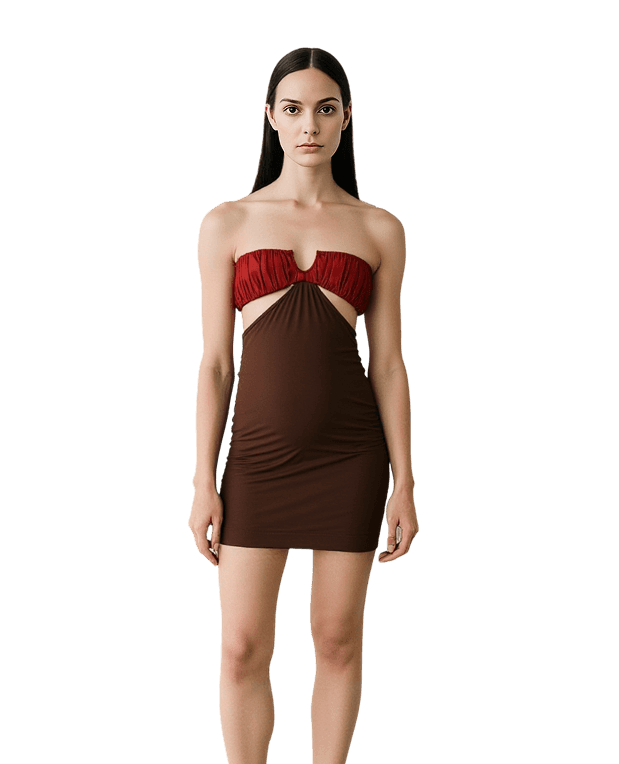
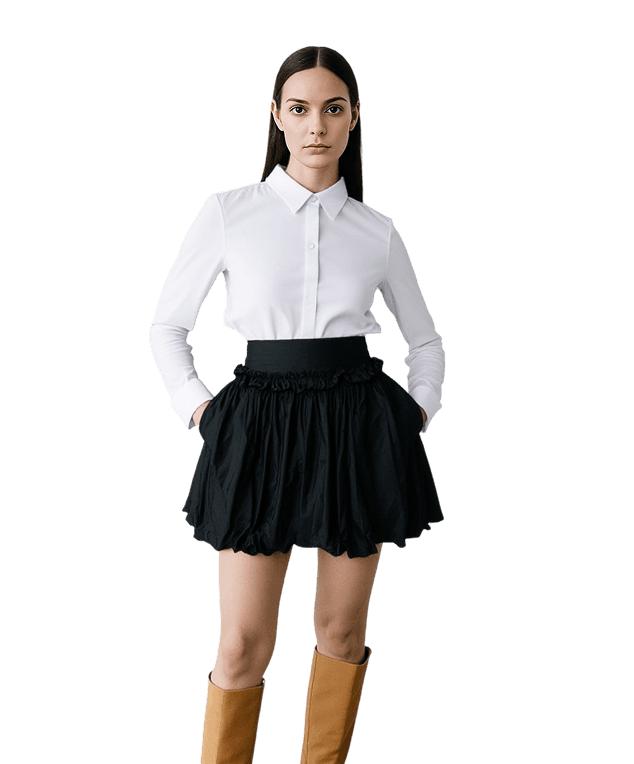
A shopper adds a pair of compression leggings to cart, then stalls. She has been burned before by a "medium" that ran tight in one brand and loose in another, and a flat product photo gives her no way to tell which this will be.
That hesitation is playing out across one of fashion's fastest-growing categories.
How Big Is the Opportunity in Sportswear and Activewear?
The global activewear market was valued at $440.4 billion in 2025 and is projected to grow from $477.6 billion in 2026 to $920.0 billion by 2033, a 9.0% annual growth rate, according to Grand View Research.
That growth means more brands competing for the same performance-conscious shopper, and more pressure to get the online buying experience right. A category growing this fast cannot afford a sizing problem that quietly caps how much of that growth converts.
Why Is Sizing Especially Hard to Trust in Activewear?
Sizing is especially hard to trust in activewear because there is no shared standard for what a compression fit or a relaxed fit actually means across brands. A medium in one label's leggings can behave nothing like a medium in another's.
That uncertainty shows up in broader fashion return data too. 65% of online shoppers say they have returned an item because it did not fit, more than any other reason, according to a DealNews survey.
Bracketing makes the problem worse. Roughly half of Gen Z shoppers order multiple sizes of the same item with a plan to return what does not work, compared with a quarter of baby boomers, per National Retail Federation and Happy Returns data.
Activewear adds a layer regular apparel does not have to deal with. A compression legging has to look and perform correctly under movement, beyond fitting correctly while standing still.
Why Is Sportswear So Hard to Render Accurately Online?
Sportswear is hard to render accurately because performance fabrics behave nothing like standard apparel. Compression knits, moisture-wicking synthetics, seamless constructions, reflective finishes, and mesh panelling are engineered materials with specific visual and physical properties.
They stretch under tension and reflect light differently depending on angle and activity. Construction details like flatlock seams, bonded panels, and integrated support structures define both function and form, and a static photo cannot show how any of that behaves in motion.
The category's range compounds the challenge. High-compression running tights, oversized training hoodies, sleek cycling kits, and technical outerwear each demand their own rendering logic. A fabric that performs under movement must also look accurate at rest.
How DRESSX Renders Sportswear With Precision
DRESSX Virtual Try-On for Sportswear is built specifically around that complexity. The models are trained on the material behaviors specific to performance fabrics, capturing compression, sheen, texture, and fit across a wide range of garment types.
That accuracy applies whether a brand sells performance-first technical gear or lifestyle activewear. DRESSX Virtual Try-On is built for the fashion-specific precision that general-purpose visualization tools were not designed to capture.
Forbes has covered that distinction directly, positioning fashion-specific providers as a distinct layer above general-purpose visualization tools.
Major sportswear retailers are already validating this category of technology. Nike, J.Crew, and Lululemon are named retail partners in a virtual fitting room platform covering more than a million clothing items, a signal that fit visualization is becoming table stakes for activewear ecommerce, not a niche add-on.
Deployment follows DRESSX's standard models: API access, a white-label build, or a Shopify app install, so a sportswear brand is not forced to rebuild its stack to add it.
Frequently Asked Questions
Does DRESSX Virtual Try-On work for activewear and performance fit? Yes. The models are trained specifically on sportswear material behavior, including compression, sheen, and texture, across performance and lifestyle activewear categories alike.
Can shoppers preview sportswear across different sizing systems, such as compression versus relaxed fit? Yes. The rendering pipeline is built to reflect how a garment actually behaves at a given fit level, rather than applying one generic overlay across compression and relaxed styles.
Closing the Gap Between Growth and Sizing Trust
Sportswear's growth is not the problem fashion brands need to solve. The sizing trust gap underneath it is, and it costs conversions every time a shopper hesitates over what a "medium" actually means.
DRESSX Virtual Try-On for Sportswear closes that gap with rendering built for performance fabric, not adapted from a general-purpose model.
DRESSX has covered the return impact of that shift in more detail in how virtual try-on helps fashion brands reduce returns.