L'Oréal's latest partnership with OpenAI puts Virtual Try-On back at the center of the conversation around AI-powered shopping. But for fashion brands, the announcement signals something even bigger: the next stage of AI commerce won't be about helping consumers discover products—it will be about helping them confidently decide what to buy.
At VivaTech 2026, L'Oréal announced a strategic partnership with OpenAI that brings its ModiFace Virtual Try-On technology into ChatGPT. The collaboration allows shoppers to receive personalized beauty recommendations, virtually try on makeup products, and ask follow-up questions through a natural conversation with AI. The experience will initially launch with Maybelline New York in the United States, making it one of the first large-scale examples of Virtual Try-On being integrated directly into a conversational AI platform.
On the surface, it may seem like another AI announcement. In reality, it represents an important shift in how consumers will shop online. Rather than browsing product pages, comparing dozens of options, and imagining how products might look, shoppers will increasingly expect AI to guide them through the entire decision-making process.
For fashion brands, this is a signal worth paying attention to.
The Conversation Is Moving Beyond Product Discovery
Over the past few years, AI has transformed many parts of retail: content creation, merchandising, customer service, marketing, etc. At the same time, platforms like ChatGPT and Google's AI-powered search experiences are changing how consumers discover products online. But discovery is only part of the challenge.
Consumers don't need help finding products anymore. They need confidence to decide whether those products are actually right for them, starting a new chapter of AI commerce. Instead of simply recommending products, AI is becoming a decision-making companion, helping shoppers understand how something fits their personal style, how it might look on them, and whether it's worth buying.
Fashion Is a More Complex Challenge Than Beauty
Beauty was one of the first industries to adopt Virtual Try-On at scale because products like lipstick or eyeshadow are relatively straightforward to visualize.
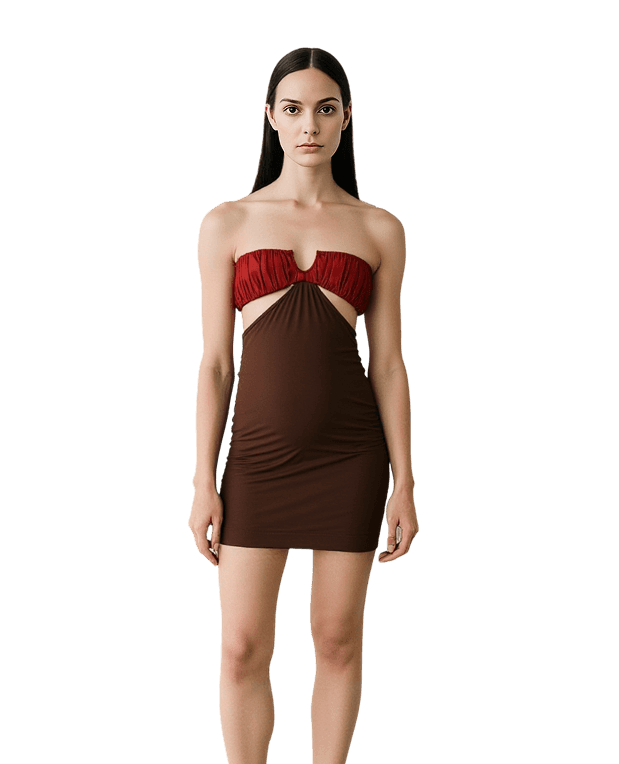
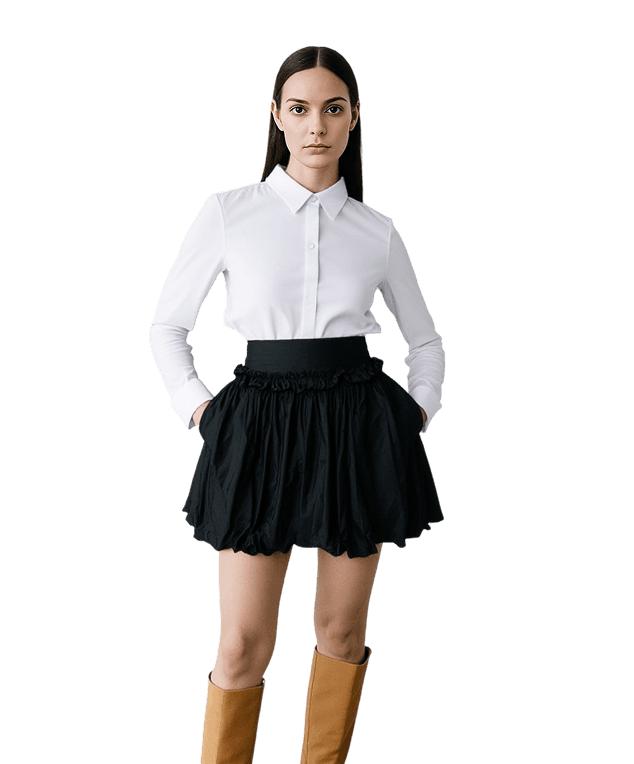
Fashion is significantly more complex. An effective AI Virtual Try-On solution must understand much more than the appearance of a garment. It needs to preserve silhouettes, proportions, garment construction, fabric behavior, and styling while realistically adapting clothing to different people.
The challenge isn't simply generating an attractive image – it's creating a visualization shoppers actually trust.
As we explored in Virtual Try-On in 2026: Why Most Solutions Fall Short (and What Fashion Brands Actually Need), realism has become one of the defining factors separating AI experiences that drive purchases from those that remain novelty features.
The Data Already Shows Where AI Shopping Is Heading
While the L'Oréal partnership points toward the future of AI shopping, we're already seeing the impact that realistic Virtual Try-On has on consumer behavior.
According to the DRESSX Intelligence Report, which analyzed the behavior of more than 1.2 million luxury fashion shoppers across 216 countries and 83 languages, shoppers who engaged with AI-powered Virtual Try-On:
were 50% more likely to purchase than non-users;
were nearly 3× more likely to add products to their cart;
viewed 7× more product listings; and
achieved 44% Day-30 retention, compared with just 1% among shoppers who never interacted with Try-On.
The research also found particularly strong engagement for products priced above $1,000, where purchase hesitation is naturally higher and shoppers seek greater confidence before buying.
These findings suggest that AI-powered visualization doesn't simply improve conversion—it fundamentally changes how people make purchasing decisions.
Read the full DRESSX Intelligence Report
AI Commerce Is Now an Ecosystem
Perhaps the biggest takeaway from the L'Oréal × OpenAI announcement isn't Virtual Try-On itself, but the way multiple AI capabilities are beginning to work together.
Rather than existing as separate tools, conversational assistants, personalized recommendations, Virtual Try-On, AI styling, and customer support are converging into a single shopping experience.
Imagine asking an AI assistant for an outfit to wear to a wedding. Instead of receiving a list of products, the assistant recommends complete looks, lets you virtually try them on, suggests accessories, answers questions about fit or styling, and helps you complete the purchase, all within the same conversation.
That's a fundamentally different shopping journey from the one consumers know today. This is also why fashion brands should think beyond implementing individual AI features. The goal isn't simply to add Virtual Try-On or an AI chatbot, but to create a connected shopping experience that reduces friction from discovery through purchase.
Learn more about the DRESSX AI Suite
From Product Discovery to Purchase Confidence
Commenting on the announcement, DRESSX Co-Founders Daria Shapovalova and Natalia Modenova shared their perspective:
"L'Oréal's partnership with OpenAI is an important signal for the future of AI commerce. As AI assistants increasingly become part of the shopping journey, the next challenge is not only helping customers discover products, but helping them confidently decide what to buy.
Fashion brings another level of complexity because customers are not only asking, 'Do I like this product?' They are asking, 'Does this work for me?' The future of AI shopping will depend on combining intelligent recommendations with personalized visualization."
As founders of DRESSX—a fashion-native AI company building Virtual Try-On and AI commerce solutions for brands and retailers since 2020—Daria and Natalia have seen firsthand how quickly consumer expectations are evolving.
The next generation of online shopping will not only simply recommend better products, but also help customers experience them before purchasing, giving them the confidence to make better decisions.
As we explored in What Makes DRESSX One of the Best AI Virtual Try-On Solutions for Fashion E-Commerce, confidence is quickly becoming one of the most valuable competitive advantages in online retail.
The L'Oréal × OpenAI partnership is another strong indication that AI shopping is entering a new phase, th one where helping customers discover products is no longer enough. The brands that succeed will be those that also help shoppers confidently decide what to buy.
Continue Reading
Virtual Try-On in 2026: Why Most Solutions Fall Short (and What Fashion Brands Actually Need)
What Makes DRESSX One of the Best AI Virtual Try-On Solutions for Fashion E-Commerce
25 AI Virtual Try-On Statistics Every Fashion Executive Should Know in 2026