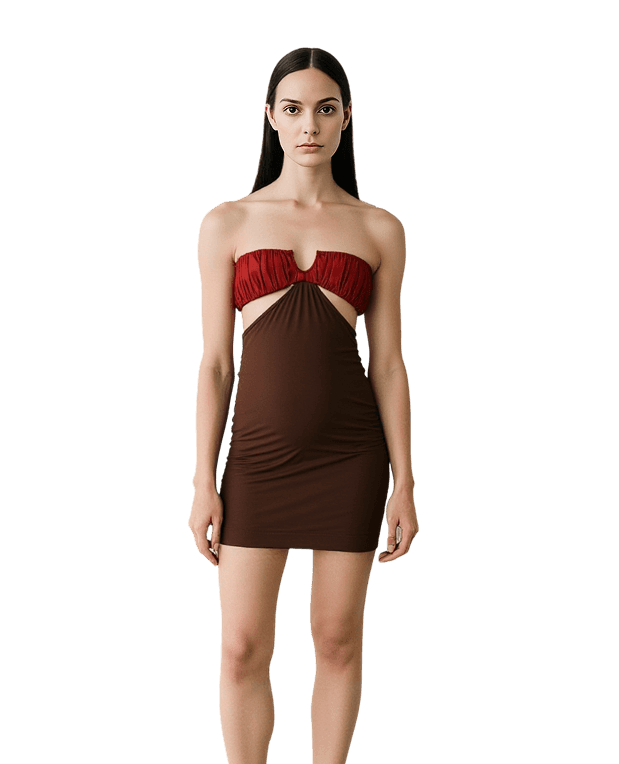
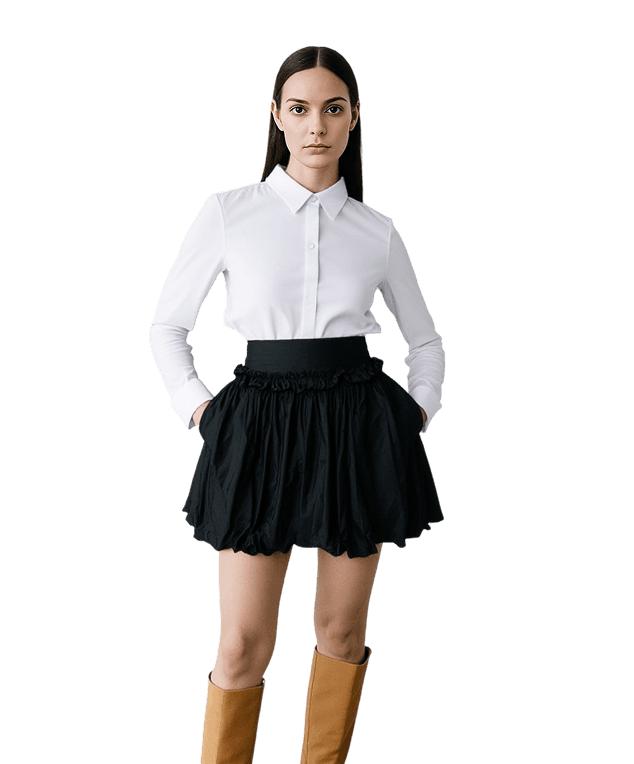
Stitch Fix has spent nearly a decade building one of fashion's most sophisticated AI personalization engines, from algorithmic styling to product recommendations. On June 24, 2026, it expanded Vision, its AI style visualization tool, into an on-demand feature shoppers can trigger anywhere they browse.
That move raises a question worth asking across the industry: what problem does virtual try-on solve that personalization alone could not?
Stitch Fix Just Expanded Its AI Try-On Tool
Stitch Fix Vision generates images of a shopper wearing recommended outfits, built from a client's photo, style data, and stylist input. The company launched it in beta in October 2025, delivering a fresh set of AI-generated looks to each client once a week.
The June 2026 update changes that cadence. Instead of waiting for a weekly drop, clients can now tap "See it on me" anywhere in Stitch Fix's Freestyle shopping experience and generate a personalized image on demand.
Stitch Fix CEO Matt Baer has described Vision as a way to use the company's data on client fit and style preferences, combined with generative AI, to deliver personalization at a new level.
Chief Product and Technology Officer Tony Bacos has drawn a sharper distinction, calling Vision "an entirely new approach to style discovery, unlike any of the existing virtual try-on experiences that require shoppers to do all the work."
That framing matters. It suggests Stitch Fix sees a real difference between AI-generated style inspiration and the kind of precise, garment-accurate virtual try-on shoppers use to evaluate a specific product before checkout.
The timing is notable too. Stitch Fix reported declining active clients around the time Vision first launched, and the company is investing further in AI visualization anyway. That is not a small bet for a business under revenue pressure.
What Problem Does Virtual Try-On Solve That Personalization Couldn't?
Personalization solves discovery. It narrows a large catalog down to items a shopper is likely to want. Virtual try-on solves a different problem: whether a specific product will actually work for that shopper.
Daria Shapovalova and Natalia Modenova, co-founders of DRESSX, put it directly: AI has become very good at helping people discover products, but discovery is only part of the challenge. The harder problem is helping customers decide whether a product is actually right for them.
Visualization bridges that gap. A shopper can love a recommendation and still hesitate at checkout because they cannot picture how a garment will fit or move. That hesitation, multiplied across a full catalog, is where fashion ecommerce conversion breaks down.
A Broader Shift Across Fashion and Luxury
Stitch Fix is not the only company moving in this direction. Several major moves across fashion and luxury in the past few months point to the same pattern.
OTB Group, parent company of Diesel, Jil Sander, Marni, and Maison Margiela, partnered with Google Cloud in May 2026 to launch AI-powered virtual try-on as a premium clienteling tool, giving sales advisors a way to share hyper-realistic previews with top clients.
Victoria Beckham's ecommerce site now runs AI-powered try-on built with DRESSX, letting shoppers see runway looks on themselves shortly after a show.
L'Oréal's partnership with OpenAI extended the same logic into beauty.
Forbes covered this convergence directly in April 2026, positioning DRESSX as the specialist fashion AI layer sitting above general-purpose try-on tools from Google and other platforms.
As Natalia Modenova told Forbes, general-purpose platforms can prove that virtual try-on works at scale, but fashion still needs the accuracy and brand fidelity that only fashion-specific AI can deliver.
Together, these moves suggest virtual try-on is becoming a core part of the shopping journey rather than a standalone engagement feature.
What the Data Shows About Virtual Try-On and Conversion
Virtual try-on's business case is no longer anecdotal. The DRESSX Intelligence Report, based on more than 1.2 million shopper interactions across 216 countries, quantifies the effect.
Shoppers who used virtual try-on were 50% more likely to purchase than shoppers who did not. They added items to cart at 3 times the rate and viewed 7 times more products before deciding. In luxury specifically, virtual try-on users converted at up to 10 times the rate of standard ecommerce benchmarks.
Engagement extended well past the purchase moment too. 44% of virtual try-on users remained actively engaged with a brand through day 30, compared with a small fraction of non-users.
"That's why we're seeing companies like Stitch Fix invest more heavily in virtual try-on," Shapovalova and Modenova noted. "Virtual try-on is becoming part of retailers' commerce infrastructure rather than a standalone engagement feature."
We shared more data from the report in our other blog, 25 AI Virtual Try-On Statistics Every Fashion Executive Should Know in 2026
Why Visualization Is Becoming Commerce Infrastructure
Apparel return rates still run between 30% and 40% industry-wide, driven largely by shoppers guessing wrong about fit and appearance. Reducing that uncertainty before checkout is what closes the gap between browsing and buying, more than better product recommendations alone.
That is the strategic case behind DRESSX Virtual Try-On: a B2B virtual try-on solution built specifically for fashion and luxury brands, where drape and brand accuracy determine whether a shopper trusts what they see.
Personalization tells a shopper what to look at. Virtual try-on technology tells them whether it will actually work.
What This Means for Fashion Ecommerce Decision-Makers
A few questions are worth asking before treating virtual try-on as a checkbox feature.
Is the technology fashion-specific? General-purpose AI visualization and garment-accurate virtual try-on solve different problems, and Stitch Fix's own framing makes that distinction explicit.
Does it improve confidence, beyond engagement? Look for data on cart additions and purchase conversion, beyond time spent on a feature.
Can it scale across a full catalog? A pilot on a handful of SKUs will not reveal how the technology performs at the scale of a full seasonal collection.
Is it built to reduce returns, beyond driving clicks? The clearest ROI case for virtual try-on is fewer mismatched purchases, which shows up in return rate more than click volume.
The Takeaway for Fashion Brands
Stitch Fix spent years perfecting personalization and is now investing in visualization anyway. OTB Group and Victoria Beckham are making similar bets in fashion, and L'Oréal is making the same move in beauty.
That pattern is the clearest signal yet that AI fashion commerce is moving past product discovery and into purchase confidence.
DRESSX Virtual Try-On is built for brands making that same move, with the accuracy and brand fidelity fashion and luxury shoppers expect.