AI agents are quickly becoming the most natural way to navigate digital life. Instead of searching, scrolling, or tapping through apps, you have probably been speaking to intelligent assistants that understand what you want and can handle the details. It feels easier, faster, and more human. And in 2026, this shift is only accelerating.
Gartner predicted that by 2025, 70% of digital interactions would involve generative AI, and they were clearly right. We’ve seen this play out across planning, shopping, learning, and creativity. Meanwhile, Gen Z, the most AI-native generation, is using AI tools at record levels, with 47% engaging with them weekly. The world is moving toward a new interface: conversational, visual, and autonomous.
So what exactly is an AI agent, why do we suddenly need them, and how can we use them effectively today? Let’s unpack it all.
What AI Agents Actually Are, And Why We Need Them Now
An AI agent is a digital assistant that understands your intent, figures out the steps, and takes action on your behalf. Unlike traditional chatbots, an AI agent can plan, reason, and execute. You tell it the goal, and it finds the path.

Why is this suddenly essential?
Because the way we live online has changed. There are too many apps, too many tabs, too much information, and not enough time. According to Accenture, 75% of consumers want personalized digital experiences delivered automatically, without the effort of hunting for information.
AI agents solve this by reducing friction. They let you:
Plan you week without opening a calendar
Style outfits without browsing hundreds of pages
Discover products without comparing dozens of tabs
Organize information without digging
Create visual concepts without starting from scratch
In other words, agents free you from micromanaging you digital life. This is why 2026 is the year they will go mainstream.
For more information on the importance of personalization to, read our blog post Runway to Algorithm: How AI Styling Is Shaping the Future of Fashion Retail.
How AI Agents Work In Simple Words
Most AI agents operate through three simple steps:
1. Understanding what you want
The agent interprets your request the way a human would, even if it’s vague, conversational, or half-formed.
2. Planning the pathway
It breaks your goal into smaller actions, prioritizes them, and decides the smartest route.
3. Executing tasks
The agent follows through: searching, comparing, generating, organizing, and even triggering actions across tools.
Instead of walking you through a workflow, the agent handles it. This is why McKinsey estimates that AI could automate up to 70% of current work activities, not replacing people, but removing the repetitive steps that drain time and momentum.
The Best Ways to Use AI Agents in 2026
AI agents now support nearly every part of everyday life, from organization to creativity to shopping. Here are some of the most common use-cases today, along with real tools leading each category.
1. Styling, Virtual Try-On, and Outfit Building
AI agents are transforming styling into something instant, visual, and personal. Instead of browsing endlessly or guessing your size, users can now describe the look they want and see it in their own realistic image. The most advanced fashion-focused example is DRESSX Agent, designed for shopping and outfit building through an intelligent styling assistant.
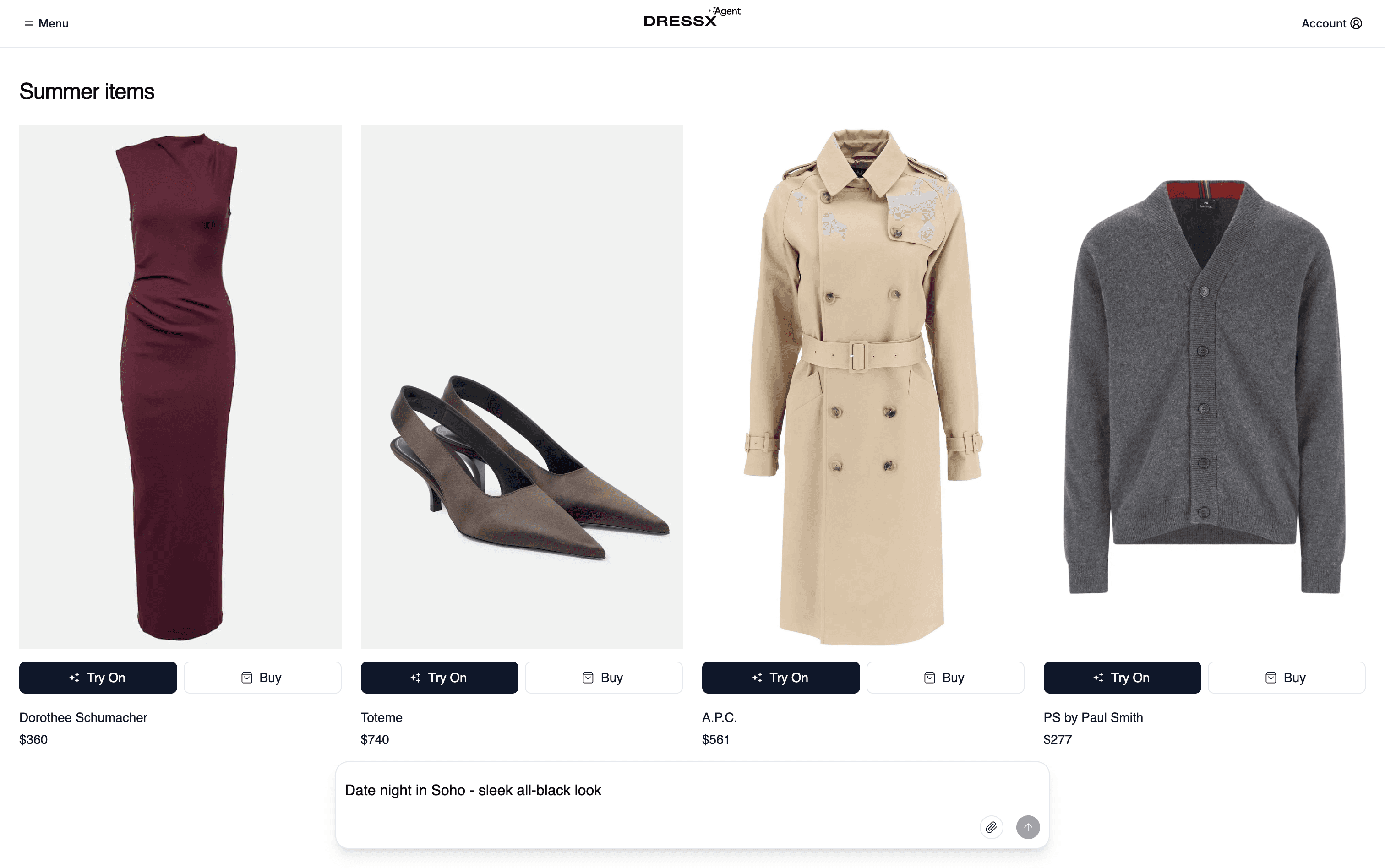
With DRESSX Agent, users can:
Generate a realistic AI Twin by entering height, clothing size, and shoe size
See outfits on their own body before buying
Mix and match pieces from different luxury brands
Ask for styling suggestions in natural language
Solve real dilemmas like: “I need a night-out look under $300,” or “Show me black boots that match this coat.”
DRESSX Agent stands out thanks to its unique combination of virtual try-on, personal styling, natural-language search, and cross-brand outfit building, all in one agent-powered workflow.
2. Planning and Life Management
This has become one of the most popular uses for AI agents because it reduces mental load and helps you organize your life without juggling multiple apps.

Examples of planning-focused AI agents:
OpenAI’s ChatGPT Omni Agent
Creates schedules, organizes tasks, drafts messages, and manages routines.
Google Gemini Personal Assistant
Integrates with Gmail, Calendar, Maps, and Docs to manage real tasks across a user’s devices.
Analyzes your digital activity automatically and summarizes everything you need to remember.
These agents help users plan their week, coordinate logistics, and stay on top of responsibilities, all through natural conversation.
3. Creativity and Visual Ideation
AI agents have become powerful creative collaborators, turning early-stage ideation into a quick, inspiring, and collaborative process. Instead of starting from a blank page, you can explore concepts, test ideas, and build visual direction with the help of intelligent assistants.

Today’s leading creative agents include:
Midjourney, with emerging agent-based workflows for moodboards, visual styles, and artistic exploration
Adobe Firefly, which brings image generation and content ideas directly into familiar creative tools
Runway’s Gen-3 agent systems, designed for rapid video ideation, storyboarding, and high-end visual storytelling
These tools can help you move from inspiration to execution faster than ever, making creative exploration more accessible, expressive, and fun in 2026.
The Future of AI Agents
AI agents are quickly becoming the connective tissue of our (digital) lives, the layer that plans, organizes, styles, curates, and creates alongside us. As these systems grow more intuitive and contextual, they’ll enhance personal expression, streamline shopping, and help us all move through our digital worlds with far more ease and confidence.
Fashion is already experiencing this shift firsthand. Tools like DRESSX Agent show how intelligent assistants can blend styling, discovery, and virtual try-on into a single fluid experience that feels both personal and empowering. And for anyone curious about how agents are becoming visual personalized companions, exploring AI Twins is the perfect next step.
Eventually, people won’t “use” AI. They’ll simply talk, and the agent will handle the rest, planning, styling, shopping, creating, organizing. 2026 is the year this shift becomes visible, mainstream, and irreplaceable.