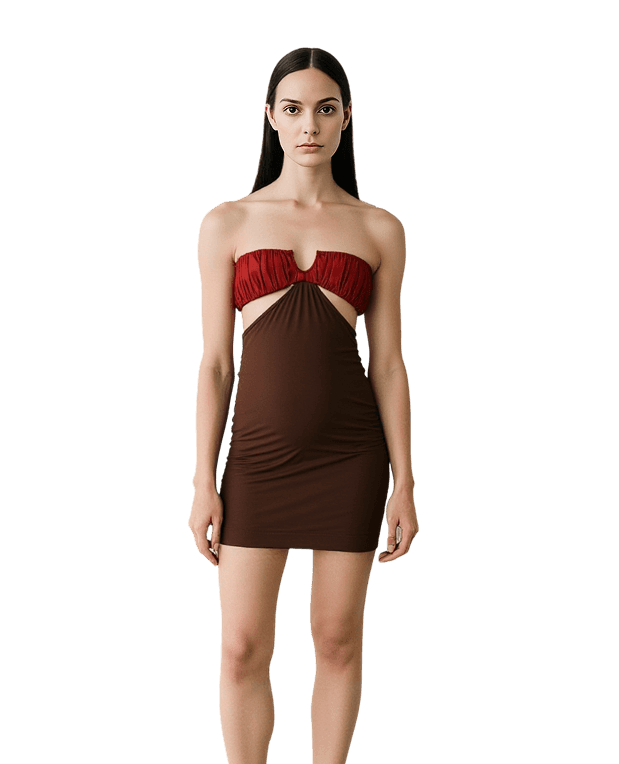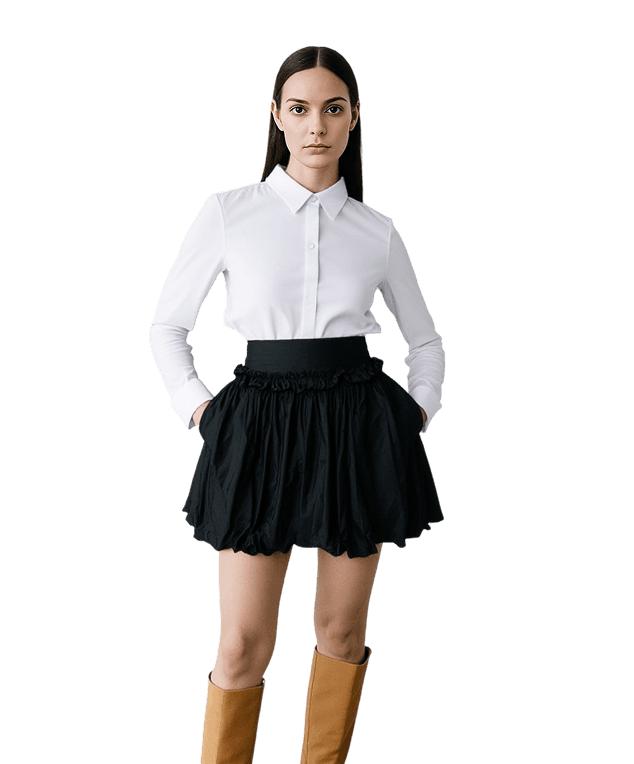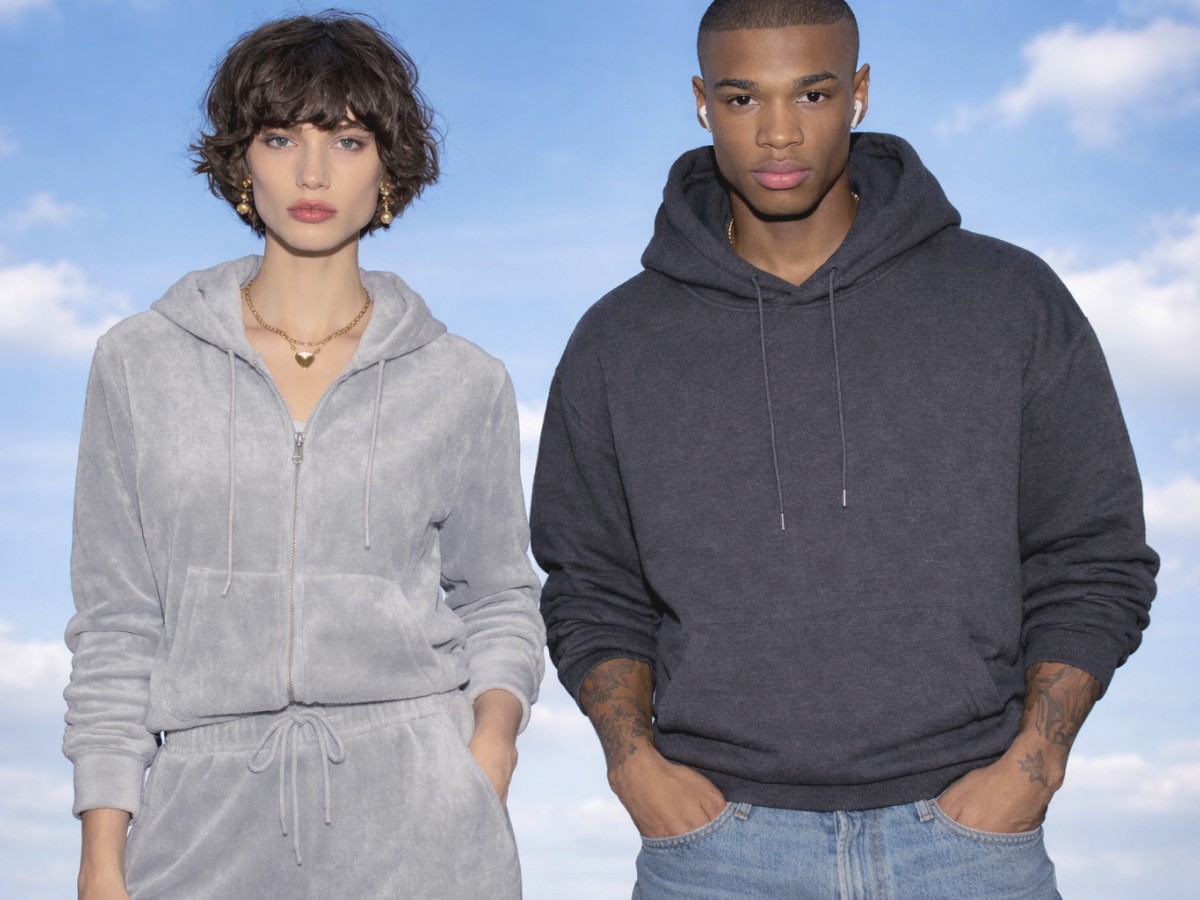
There’s comfort in wearing the same things over and over again. A hoodie that feels like home. Jeans that don’t need adjusting. Shoes you trust.
For Gen Z, this repetition isn’t accidental. Clothing has shifted from a tool for self-presentation to a source of stability. Getting dressed is no longer about keeping up or standing out. It’s about making the day feel manageable.
According to a 2023 Deloitte Gen Z survey, over 60 percent of Gen Z respondents say they prioritize comfort and practicality over style trends when choosing what to wear. That preference reflects a generation navigating economic pressure, social comparison, and constant digital presence all at once.
Trend Fatigue Changed the Relationship With Fashion
Gen Z didn’t experience trends as moments. They experienced them as noise. By the time they were teenagers, fashion cycles were already accelerating beyond control. Trend forecasting firm WGSN has noted that trend lifespans have shortened dramatically over the past decade, with many micro-trends peaking and disappearing within weeks.
Social platforms amplify this acceleration. TikTok alone introduces thousands of new aesthetic labels every year, from “core” trends to niche visual identities. Vogue Business has described this environment as one of “aesthetic overload,” where participation often feels less like discovery and more like obligation.
Over time, the excitement wears off. Constant visual input makes trends feel disposable, even meaningless. Wearing something comfortable and familiar becomes a way to opt out of the pressure. Not everything needs to be documented, explained, or justified.
Choosing clothes that aren’t trendy can feel grounding. It creates distance from the endless cycle of consumption and judgment that lives online.
Comfort Became Emotional, Not Physical

When Gen Z talks about comfort, they’re rarely talking about softness alone. They’re talking about not being hyper-aware of their body all day. About clothes that don’t require constant adjustment or self-consciousness. About being able to sit, walk, film, or disappear into a crowd without thinking about how fabric behaves.
This matters more than it sounds. Gen Z exists in a state of near-constant visibility. According to Ofcom and Pew Research, Gen Z spends over 7 hours a day on screens on average, often across multiple devices. More than half say they feel pressure to present themselves well online, even when they are not actively posting.
Cameras are everywhere. Front-facing cameras, mirrors, video calls, security footage, and social content constantly reflect the body back to the wearer. Clothing that feels good creates a kind of mental quiet. It allows people to focus outward instead of inward.
In that sense, comfort becomes emotional regulation. Clothes act as support rather than performance.
Digital Life Changed What “Feeling Right” Means
Gen Z learned to experiment with identity online long before they did it in real life. Avatars, filters, and digital spaces allowed them to try new aesthetics, proportions, and expressions without physical consequences. Those experiences reshaped how self-expression works.
Research shows that 84 percent of respondents say their avatar style influences what they wear in real life. Digital expression does not stay online. It actively shapes physical fashion choices and expectations around freedom, movement, and self-authorship.
This aligns with broader findings from McKinsey and Roblox research, which show that Gen Z sees digital identity as an extension of the self rather than a separate space. When physical clothing feels restrictive, heavy, or overly demanding, the contrast with digital freedom becomes obvious.
Clothes that feel right today are those that support fluid identity rather than locking it into a fixed shape.
How This Differs From Previous Generations
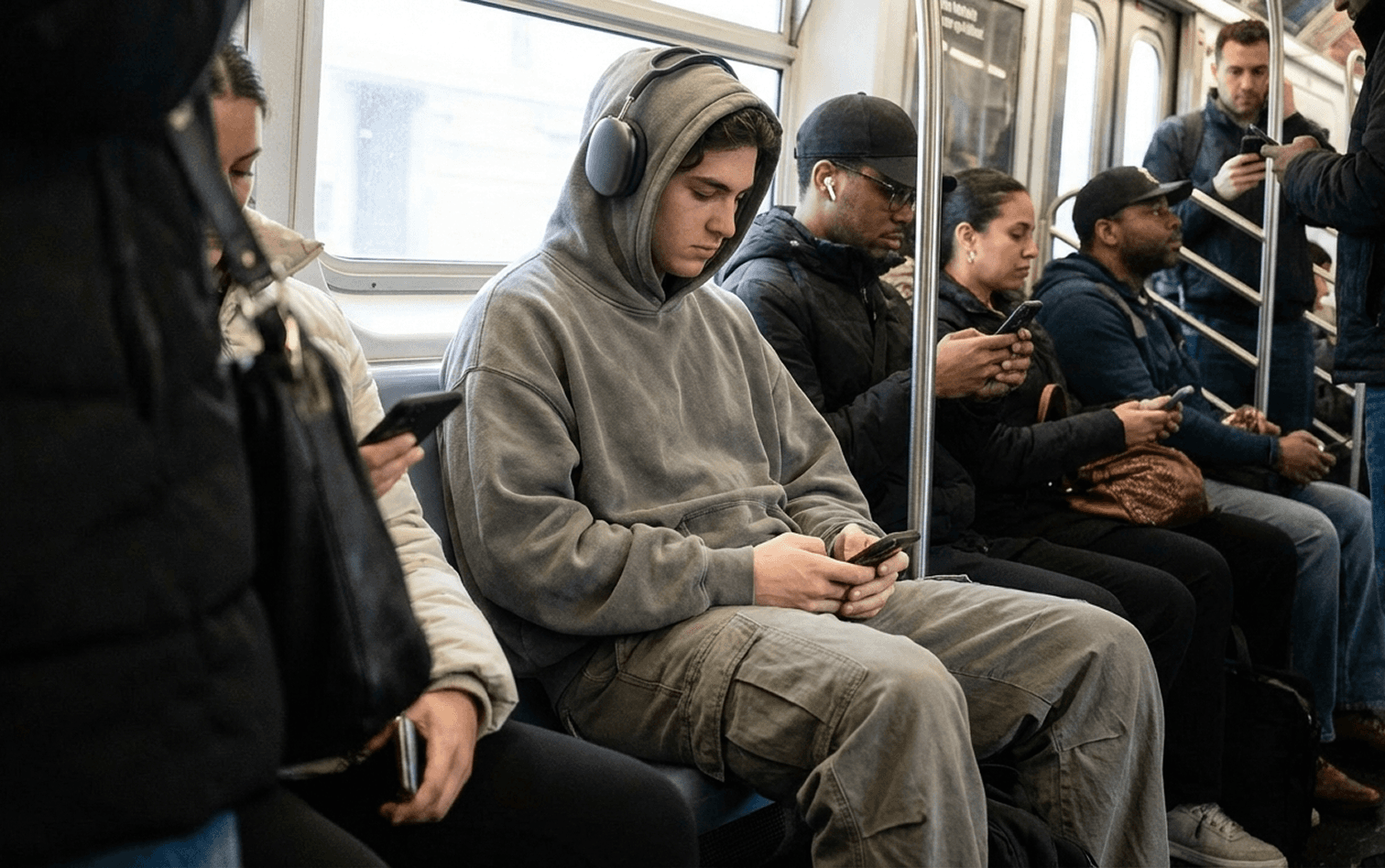
Earlier generations often dressed to be seen. Style was a way to signal taste, status, or belonging. Visibility was something you opted into.
For Gen Z, visibility is constant and often unavoidable. Pew Research reports that Gen Z is the most online generation to date, with social presence beginning earlier and lasting longer throughout the day than for Millennials at the same age.
That changes the role of fashion. Instead of amplifying attention, clothing becomes a way to manage it. Choosing something understated or familiar can feel protective. It allows space to exist without commentary, interpretation, or feedback.
This doesn’t mean Gen Z rejects fashion. It means they approach it with caution, using it as a tool rather than a statement.
What Brands Need to Understand
When Gen Z avoids trends, it’s rarely because they don’t care about fashion. More often, the trend simply doesn’t fit into how they live. Fit, movement, weight, and wearability matter in ways that are difficult to describe but easy to feel. If something feels off, it usually gets left behind, no matter how popular it is.
McKinsey consumer research shows that Gen Z returns clothing more frequently than older generations, often citing fit and expectation mismatch as the main reasons. This signals a gap between how products are presented and how they are experienced.
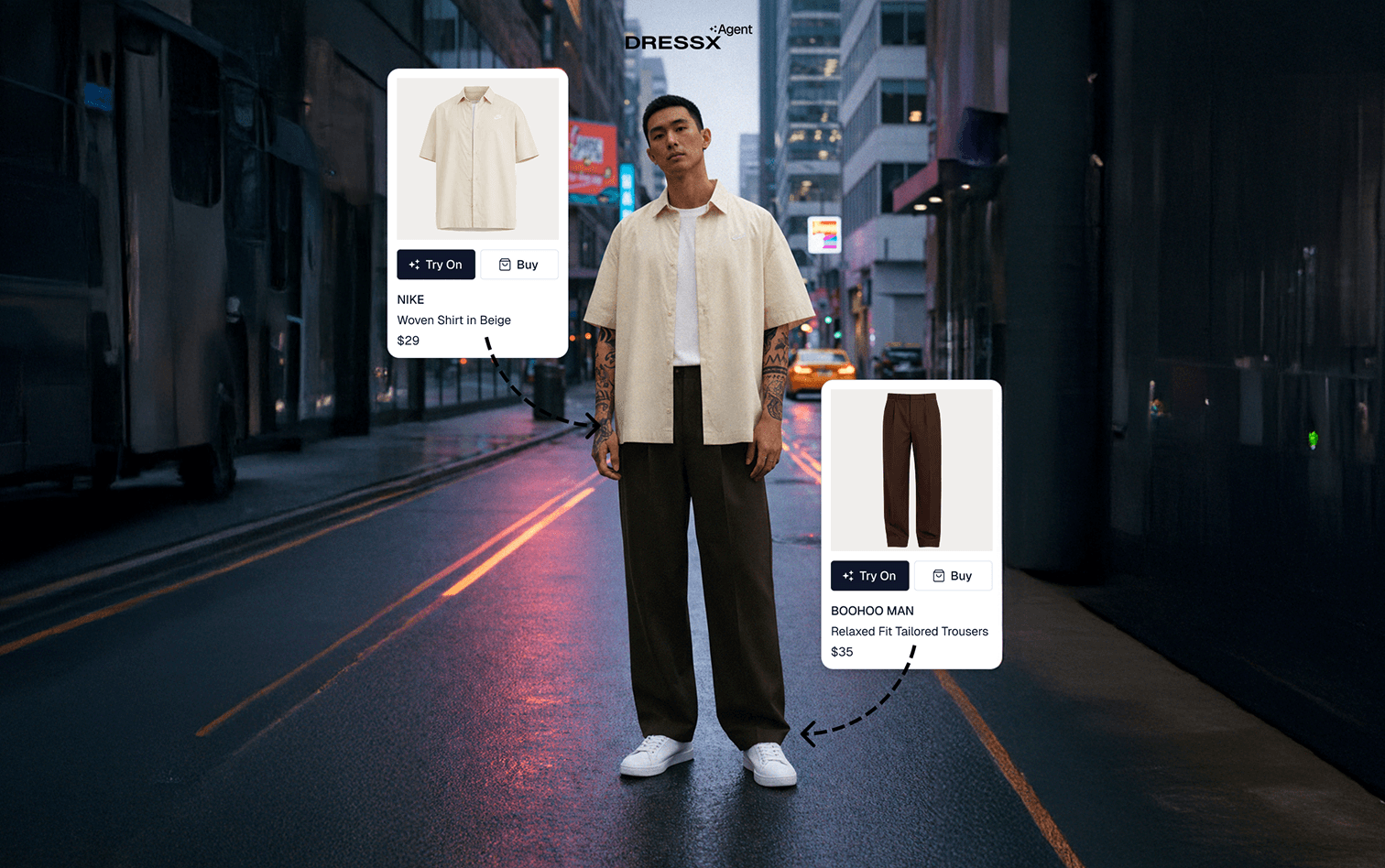
This is where technology can play a more thoughtful role. Tools like DRESSX Agent allow people to explore fashion through language rather than rigid categories. Instead of searching by product type or trend name, users can describe what they are looking for in their own words. Something comfortable for long days. Something that feels safe but still expressive. Something that fits how they move through the world.
Combined with virtual try-on and cross-brand styling, this prompt-based approach helps people sense alignment before committing, not just visualize how something looks.
For brands, the challenge is not to sell comfort as a feature or a trend. It’s to understand why comfort feels necessary right now, and to design products and experiences that respect how people actually live in their clothes.
Why This Shift Matters
Gen Z’s preference for clothing that feels right is not a rejection of fashion. It’s a signal about how value is changing. Comfort, emotional ease, and identity alignment now shape purchase decisions long before trends do.
For brands, responding to this shift requires more than new silhouettes or softer fabrics. It requires experiences that help people articulate what they are looking for and see themselves in it before buying.
Platforms like DRESSX Agent, with prompt-based search, virtual try-on, and cross-brand styling, offer a way to translate these unspoken needs into confident decisions. Brands that use tools like this are better positioned to meet Gen Z where they are, not just visually, but emotionally and behaviorally.