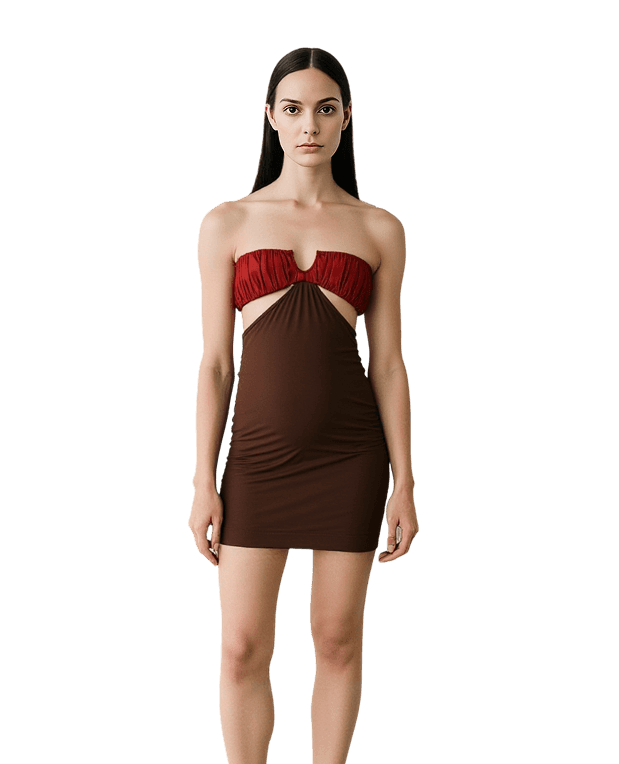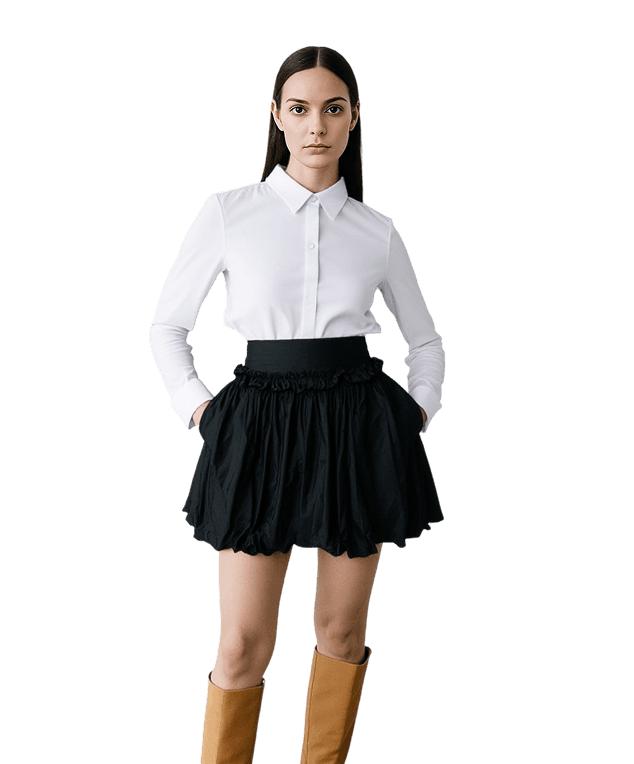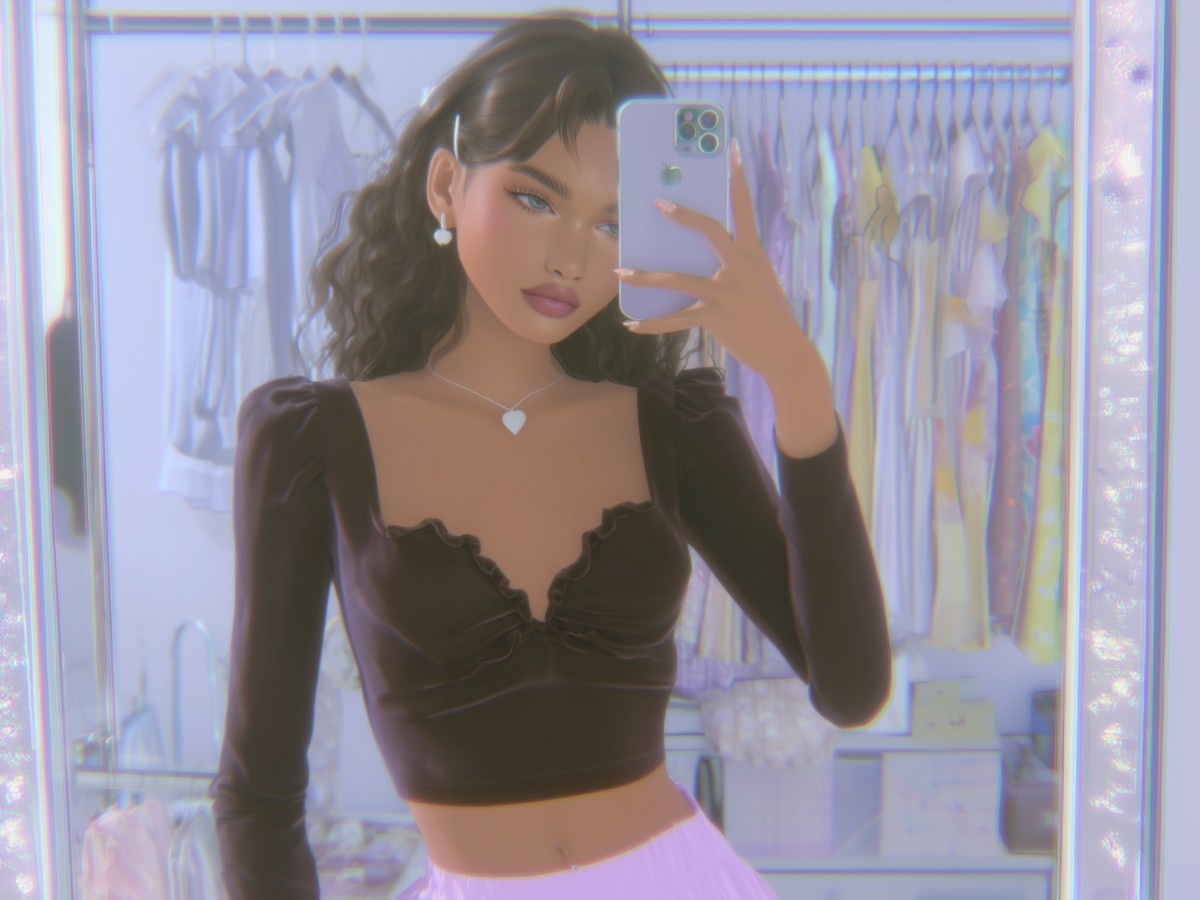
Fashion at the start of 2026 feels more intentional than it has in years. Trends still move fast, but people move differently. Scrolling is quicker, decisions are more selective, and attention lingers only on what feels genuinely relevant.
After years of constant drops, micro-trends, and visual noise, many shoppers are stepping back and asking better questions. Does this fit my life? Does it feel good to wear? Can I see myself in it before I buy it?
The fashion trends that matter in 2026 are shaped by these questions. They reflect how people live across screens and physical spaces, how they express identity through clothing, and how technology is changing the way style is explored, tried on, and trusted.
Personal Style Has Replaced Trend Loyalty
One of the clearest changes in fashion behavior is the move away from strict trend cycles. According to McKinsey’s State of Fashion reports, consumers are increasingly prioritizing individuality and versatility over seasonal statements. Younger shoppers in particular are less interested in dressing “on trend” and more focused on creating a look that feels personal.
This shows up in how people shop. Instead of buying full outfits, they look for key pieces that can be styled multiple ways. Instead of following one aesthetic, they mix references across decades, cultures, and digital spaces.
Vogue Business has also noted that Gen Z shoppers are more likely to describe their style using emotional or personal language rather than trend labels. Words like “comfortable,” “me,” and “confident” appear more often than “in” or “popular.”
In 2026, personal style functions as identity, something people build over time, not borrow for a season.
Fashion Is Experienced Through Screens Before It Is Worn
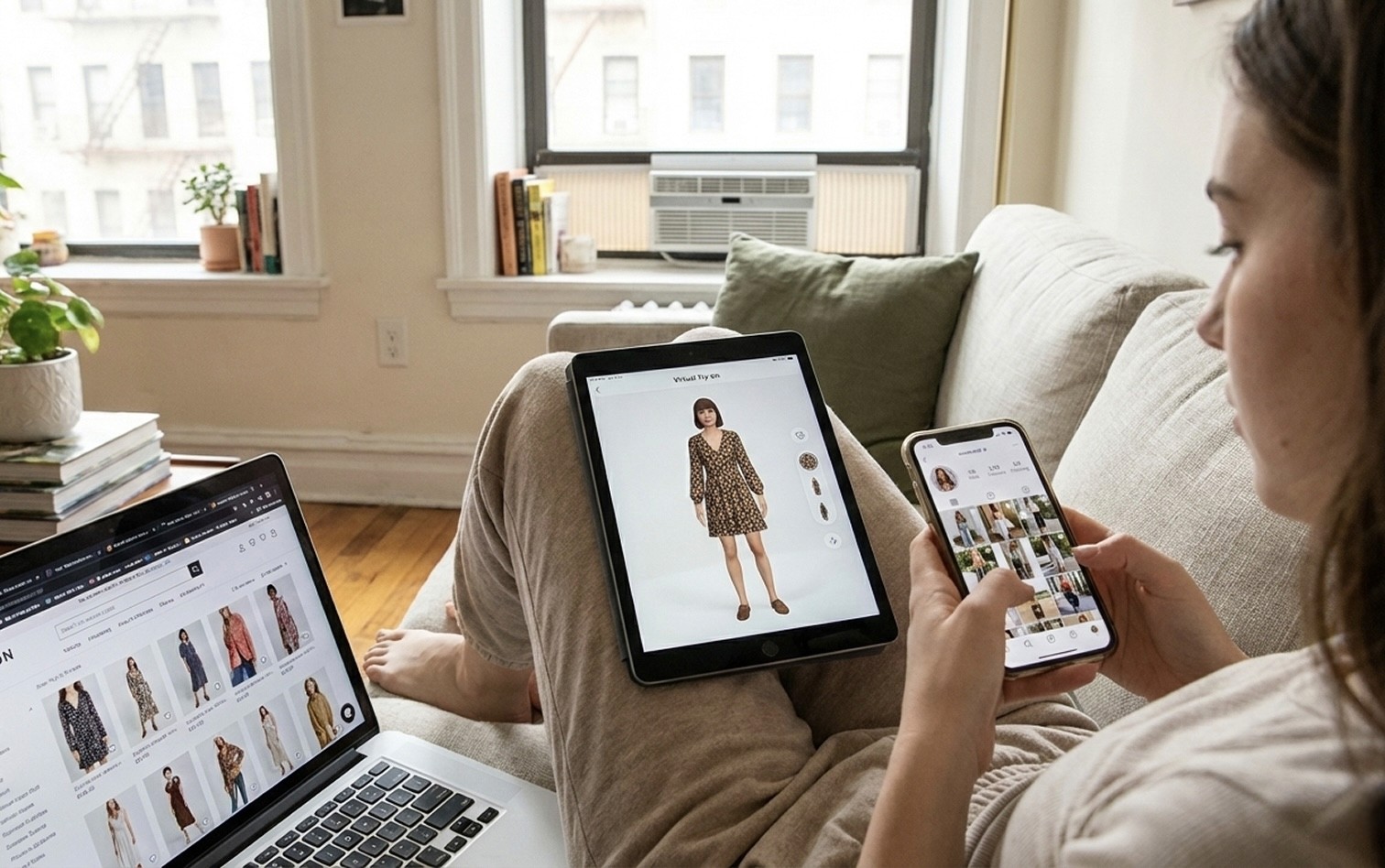
Most fashion decisions now happen digitally first. Deloitte research shows that over 70 percent of fashion shoppers start their journey online, even when they plan to buy offline. People want to explore, compare, and imagine before committing.
This is especially true for Gen Z, whose shopping behavior often happens across multiple screens at once. They scroll, compare opinions, save references, and test ideas visually before purchasing. We explored this behavior in depth in our article on how Gen Z shops through style, screens, and split-screen reality.
Because of this shift, expectations have changed. Flat product images feel insufficient. Shoppers want to understand how clothes move, layer, and look on different bodies. They want to see themselves in the clothes before buying.
This demand is pushing fashion toward more interactive, visual-first experiences. Platforms like DRESSX Agent reflect this shift by focusing on virtual try-on and outfit building across brands, helping people explore how items work together before making a decision. For shoppers, this reduces guesswork and increases confidence, which is becoming a key value in 2026.
Comfort and Emotion Drive Fashion Choices
Comfort has been influencing fashion for years, but in 2026 it has fully integrated into style rather than sitting opposite it. According to a global consumer survey by Bain & Company, comfort and fit now rank among the top three factors influencing fashion purchases, alongside price and quality.
What is new is how comfort connects to emotion. People increasingly choose clothes based on how they want to feel throughout the day. Calm, ease, confidence, or quiet boldness often guide styling decisions.
Psychologists and fashion researchers have linked this behavior to emotional dressing, where clothing supports mood regulation and self-expression. This helps explain why people form strong attachments to certain outfits and avoid others, even if they are technically “trendy”.
In practice, this means fashion that adapts. Soft tailoring, flexible materials, and wearable silhouettes dominate wardrobes in 2026. Clothes are expected to work across contexts, from home to social spaces to digital appearances.
Smarter Shopping Is Becoming a Necessity
 helpins users explore curated fashion, try items virtually, and build outfits across brands in one place](https://framerusercontent.com/images/YEOBimRzEbL10IiFgMcQE49GRB4.png)
With more choice than ever, shoppers are feeling overwhelmed. A study by PwC found that nearly half of consumers abandon purchases because the shopping experience feels too complicated or confusing.
As a result, interest is growing in tools that simplify decisions rather than expand options. Intelligent fashion systems, including AI-driven agents, are gaining attention because they help people navigate complexity. They assist with discovery, visualization, and styling, turning browsing into a guided experience.
DRESSX Agent fits into this movement by helping users explore curated fashion, try items virtually, and build outfits across brands in one place. For many shoppers in 2026, this kind of support is no longer a novelty, but a part of how confident fashion decisions are made.
For a broader look at how AI agents work across industries and how people are using them in everyday life, this article offers useful context
What This Means For Fashion in 2026
Fashion in 2026 reflects how people live today. Fast information, digital-first experiences, and a growing desire for clarity shape how style is discovered, evaluated, and worn.
The trends that matter most are rooted in real behavior. People want to feel comfortable and confident in their clothes. They want to understand what they are buying before committing. They want fashion to support their identity and adapt to their lives.
This shift toward substance over spectacle is what gives today’s fashion trends their staying power, and why personal style, comfort, digital exploration, and smarter shopping experiences continue to shape how people connect with fashion.