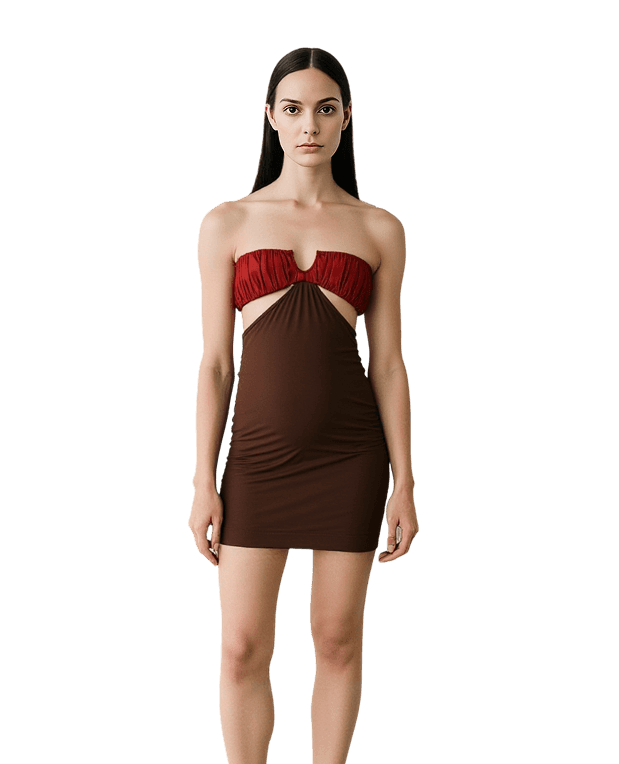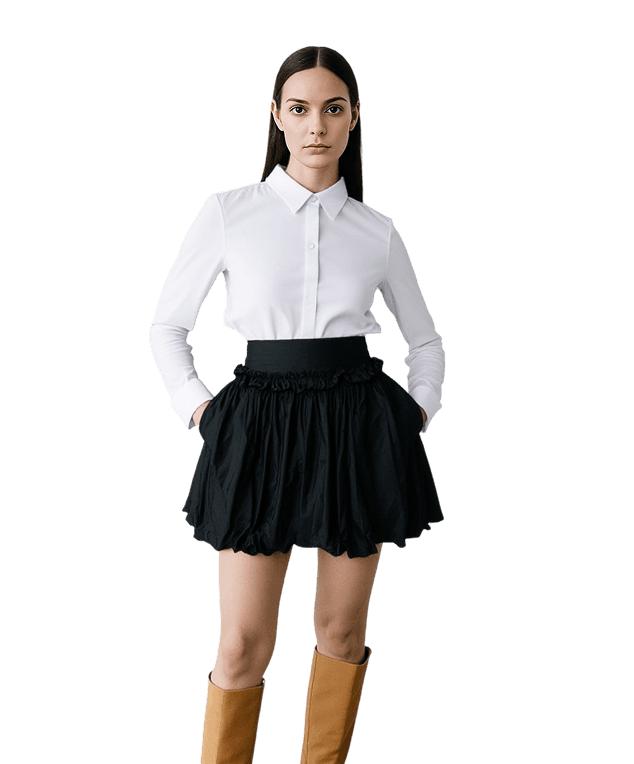
Search for “virtual try-on” today and you’ll find no shortage of solutions, each promising to transform how fashion is experienced online.
Google is embedding AI try-on directly into search results, Zara is experimenting with avatar-based fitting inside its app, and Walmart has scaled virtual try-on through Zeekit across its platform. At the same time, a growing number of SaaS tools are entering the market, each focused on improving realism, speed, or automation.
From the outside, it creates the impression that the problem has already been solved.
And yet, inside fashion companies, the conversation tends to sound very different. While many teams are actively testing virtual try-on, only a small number are seeing a meaningful impact on how customers actually make decisions. The gap between having the technology and using it effectively remains surprisingly wide.
That gap is where the real opportunity sits.
Virtual Try-On Has Shifted From Feature to Expectation
Over the past few years, virtual try-on has quietly moved from being an experimental feature to something consumers increasingly expect as part of the shopping experience.
Customers are no longer impressed by the presence of the technology alone. What matters now is whether it actually helps them understand a product well enough to make a confident decision. The expectation has become straightforward, even if the execution is not. Show me how this will look on me, and help me understand whether I should buy it.
This shift has direct implications for business performance, particularly when it comes to conversion and returns. As explored in our breakdown of the future of returns and how virtual try-on can reduce fashion waste, uncertainty around fit, styling, and overall appearance continues to drive a significant share of returns in fashion e-commerce.
In this context, virtual try-on is no longer about adding a layer of innovation or novelty to the experience. It is about removing friction at the exact moment when a customer is deciding whether to purchase.
Why Most AI Try-On Solutions Don’t Go Far Enough
Many of today’s AI try-on tools are impressive from a technical perspective, particularly when it comes to generating realistic images or scaling content across large catalogs.
However, from the customer’s point of view, realism alone rarely answers the questions that actually matter.
Seeing a product on a model, or even on your own image, can help you understand what something looks like. But it does not necessarily help you understand how it fits into your life, your wardrobe, or your personal style. It does not tell you whether you would reach for it repeatedly, how you might combine it with other pieces, or whether it aligns with how you want to feel when you wear it.
This is where many virtual try-on experiences stop too early. They succeed at visualization, but they do not fully support decision-making. As a result, they can increase engagement without meaningfully improving conversion.
Virtual Try-On Needs to Reflect How People Actually Choose
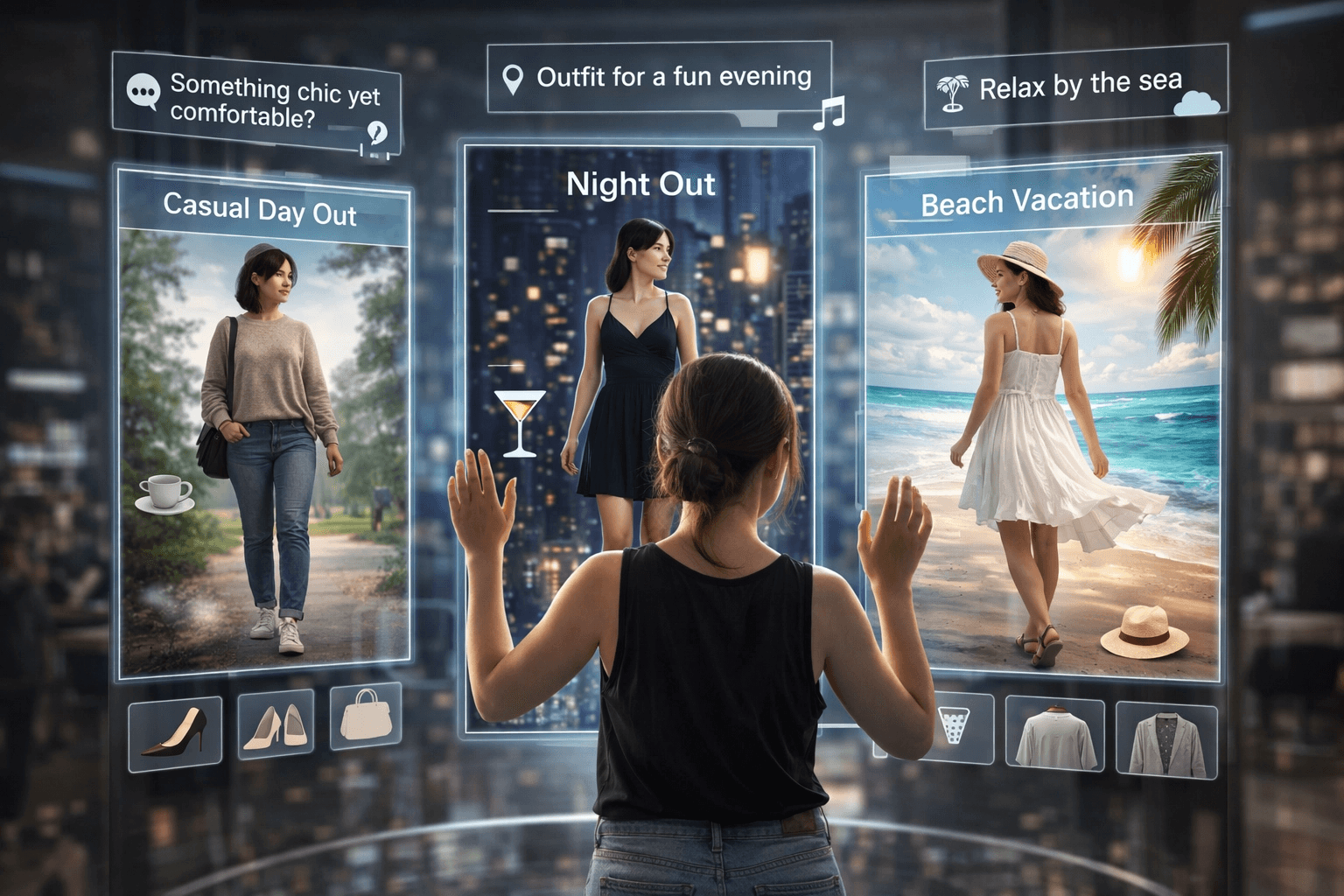
The way people search for and evaluate clothing has changed significantly, particularly among younger consumers.
Instead of thinking in clean product categories or filters, people increasingly think in terms of situations, moods, and intentions. They are not always looking for a “black dress” or a “tailored blazer.” More often, they are looking for something that works for a long day, something that feels comfortable but still looks put together, or something that can transition across different moments without effort.
This shift is closely connected to the broader rise of intelligent systems that are able to interpret natural language and user intent. As explored in our article on how AI agents are reshaping decision-making, people are becoming more accustomed to describing what they want in their own words and expecting technology to understand that.
When virtual try-on exists in isolation, it struggles to respond to this kind of behavior. To be effective, it needs to be part of a broader system that understands how people think, not just how products are categorized.
DRESSX AI Suite: From Try-On to Decision-Making
This is where DRESSX takes a fundamentally different approach.
Rather than treating virtual try-on as a standalone feature, the DRESSX AI Suite is designed as a connected system that supports the entire decision-making process, from initial intent to final purchase.
 is a modular, enterprise-grade set of AI products purpose-built for fashion and luxury brands](https://framerusercontent.com/images/qnygTnlZxJSVFb1dn51A5iRK8.png)
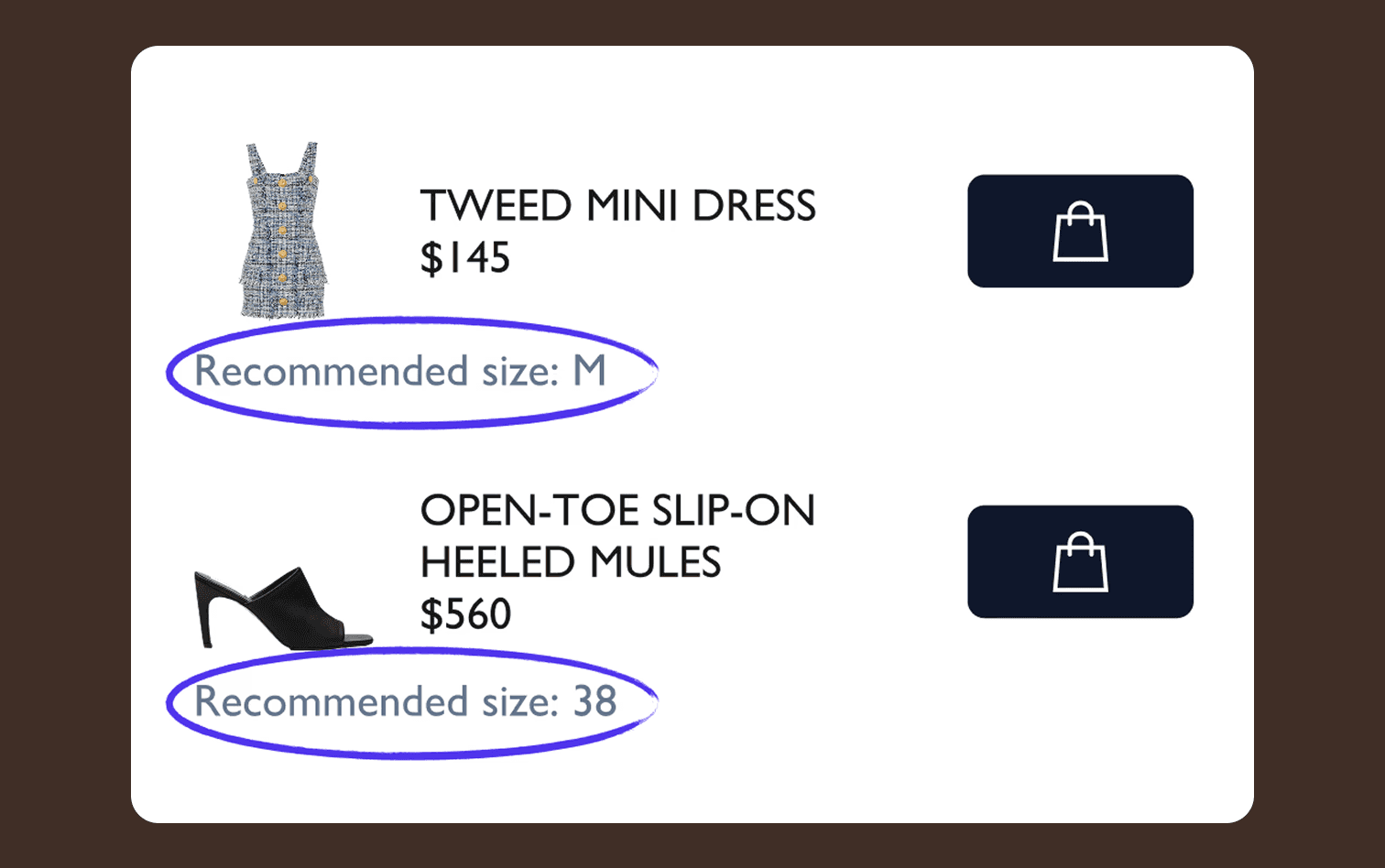
At its core, the platform enables high-quality, photorealistic virtual try-on on real user images, allowing customers to see how clothing might look on them personally. However, the experience extends well beyond a single item. Users can explore full outfits across brands, understand how different pieces work together, and move from isolated products to complete looks.
The journey often begins even earlier, through prompt-based search, which allows users to describe what they are looking for in natural language. Instead of navigating through rigid filters, they can express intent in a way that reflects real thinking. Something comfortable for a long day, something minimal but expressive, something that fits a specific mood or context.
By connecting intent, visualization, and styling, DRESSX creates an experience that feels aligned with how people actually choose clothing. The role of virtual try-on shifts in the process, becoming less about seeing and more about understanding.
Why This Changes Business Outcomes
Uncertainty has always been one of the biggest barriers in fashion e-commerce, influencing both conversion rates and return volumes.
When customers cannot fully imagine how a product will fit into their lives, they hesitate. They leave items in their cart, postpone decisions, or complete purchases that later result in returns when expectations are not met.
Virtual try-on has the potential to reduce this uncertainty, but only when it is integrated into the broader decision-making journey rather than existing as a standalone feature.
By combining visualization with styling and intent-based discovery, DRESSX AI Suite helps customers reach decisions with greater clarity and confidence. This, in turn, leads to measurable business outcomes, including up to 40% higher conversion rates, 30% lower return rates, and stronger engagement with products.
The impact comes not from adding complexity, but from aligning the experience more closely with how customers actually think and behave.
Where Virtual Try-On Is Heading
At a glance, the virtual try-on space looks crowded and advanced, with solutions everywhere from Google to Zara. But as many brands are already experiencing, having the technology does not automatically translate into better decisions or stronger performance.
The next phase of virtual try-on will be defined by how well it understands behavior, not just how well it renders images. What customers are trying to find, how they describe it, and how they imagine wearing it all shape the outcome. Showing a product is no longer enough. The experience needs to help people understand whether it fits their life.
This is where DRESSX AI Suite stands apart. By combining virtual try-on with prompt-based discovery and outfit-level thinking, it closes the gap between having the tool and actually using it to drive decisions. For fashion brands, that shift is what turns virtual try-on from a feature into something that delivers real impact.