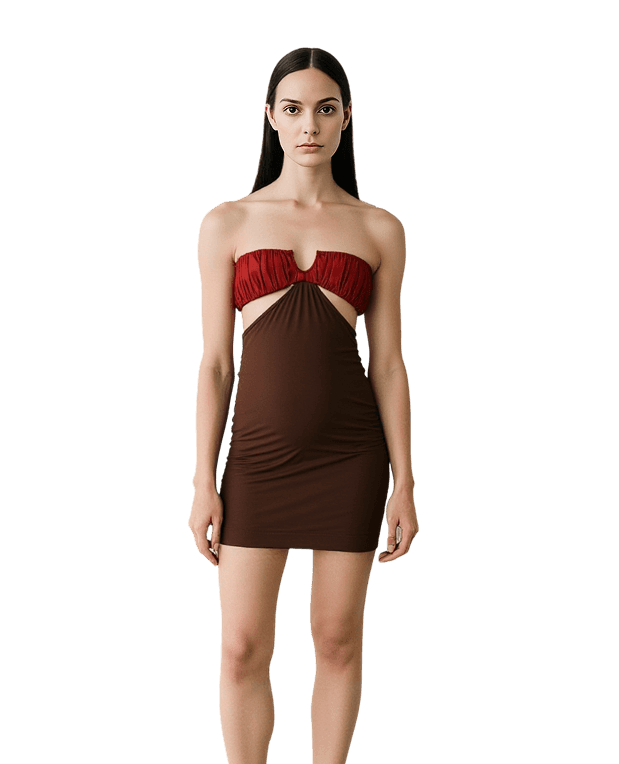
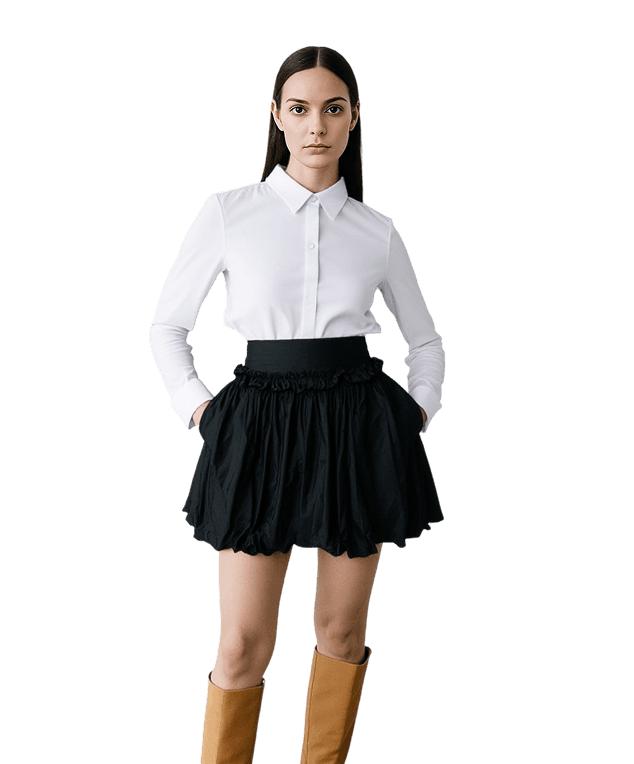
A shopper browses a fashion site, finds something they like, adds it to cart, and closes the tab anyway. Nothing went wrong. They just were not sure enough to commit.
That moment of stalling is not a pricing problem or a product problem. It is a confidence problem, and it is one of the most common and least understood points of friction in fashion ecommerce.
Why Does More Choice Make Shoppers Less Confident, Not More?
More choice makes shoppers less confident because comparing options consumes the mental effort they would otherwise spend deciding. Every additional variant adds a new comparison, not new clarity.
Psychologists Sheena Iyengar and Mark Lepper demonstrated this directly in a widely cited 2000 study published in the Journal of Personality and Social Psychology. At a grocery store tasting booth, shoppers who saw a display of six jams were roughly ten times more likely to purchase than shoppers who saw a display of 24 jams.
The larger display drew more initial interest. It converted far fewer of those shoppers into buyers.
A fashion product page often recreates that same setup. A single style can appear in a dozen colors, several fits, and multiple size systems, all before a shopper has decided whether the garment suits them at all. Every added variant is a small tax on the decision, not a benefit to it.
What Role Does Loss Aversion Play in Fashion Purchase Decisions?
Loss aversion means people feel the pain of a bad outcome more strongly than the pleasure of an equivalent good one, and it makes an uncertain fashion purchase feel riskier than it is. The concept comes from Daniel Kahneman and Amos Tversky's prospect theory, first published in Econometrica in 1979.
Applied to fashion ecommerce, the potential loss goes beyond the price of the item. It includes the wasted time repackaging a return and the hassle of a refund. Shoppers weigh that risk heavily, even when they are genuinely excited about a product.
That is why a shopper can want an item and still hesitate. The decision is not about desire. It is about whether the perceived risk of getting it wrong outweighs the reward of getting it right.
How Much Hesitation Actually Shows Up in the Data?
Hesitation shows up clearly in cart abandonment data, where the average ecommerce cart abandonment rate sits at 70.22% across 50 studies tracked by the Baymard Institute.
Some of that figure reflects window shopping. Baymard's own research finds that 42% of US shoppers abandon a cart because they were just browsing and never intended to buy.
Once that segment is set aside, the remaining reasons point directly at uncertainty. 19% of shoppers say they did not trust the site enough to enter payment information, and 13% cite a return policy that did not feel satisfactory.
Both reasons share the same root. A shopper who is not fully confident looks for a reason to delay the decision rather than commit to it, and checkout friction gives them exactly that.
What Actually Closes the Confidence Gap?
Confidence closes the gap when a shopper can resolve their biggest uncertainty before checkout, rather than after receiving the order. In fashion, that uncertainty is almost always about fit and appearance.
DRESSX Virtual Try-On was built around that exact problem. Its own product description frames the goal directly: strengthening customer confidence and giving shoppers assurance in their choices, so hesitation does not stall a purchase they already want to make.
The data backs up that framing. Brands using DRESSX see a 40% reduction in return rates and a 3.2x lift in conversion, evidence that resolving uncertainty earlier changes what a shopper decides, beyond how they feel about the decision.
Guided personalization helps for a related reason. Instead of presenting a shopper with every variant at once, tools like DRESSX's AI Customer Assistant narrow the field to a smaller, more relevant set.
That is the same mechanism behind Iyengar and Lepper's six-jam display.
How to Reduce Hesitation-Driven Abandonment
A few changes address the underlying uncertainty rather than the symptoms of it.
Narrow the decision before offering more options. Ask a short set of questions or use guided recommendations to cut a large catalog down to a handful of relevant choices.
Resolve fit and appearance uncertainty before checkout. Visualization tools that show a shopper what a product will look like on them reduce the single biggest unknown in a fashion purchase.
Put your return policy where the decision happens. Baymard's data shows unclear return terms drive hesitation directly at checkout, before a sale ever completes.
Reduce the number of near-identical variants shown at once. Group similar options instead of listing every color and fit as a separate, equally weighted choice.
Confidence Drives Fashion Ecommerce More Than Convenience
Fashion brands spend heavily on discovery, from search to recommendations to ad targeting. Far less attention goes to the moment right before checkout, where a shopper who already wants the product still has to feel sure enough to buy it.
Choice overload and loss aversion explain why that moment stalls so often. Closing the gap means resolving uncertainty before checkout, not after a return.
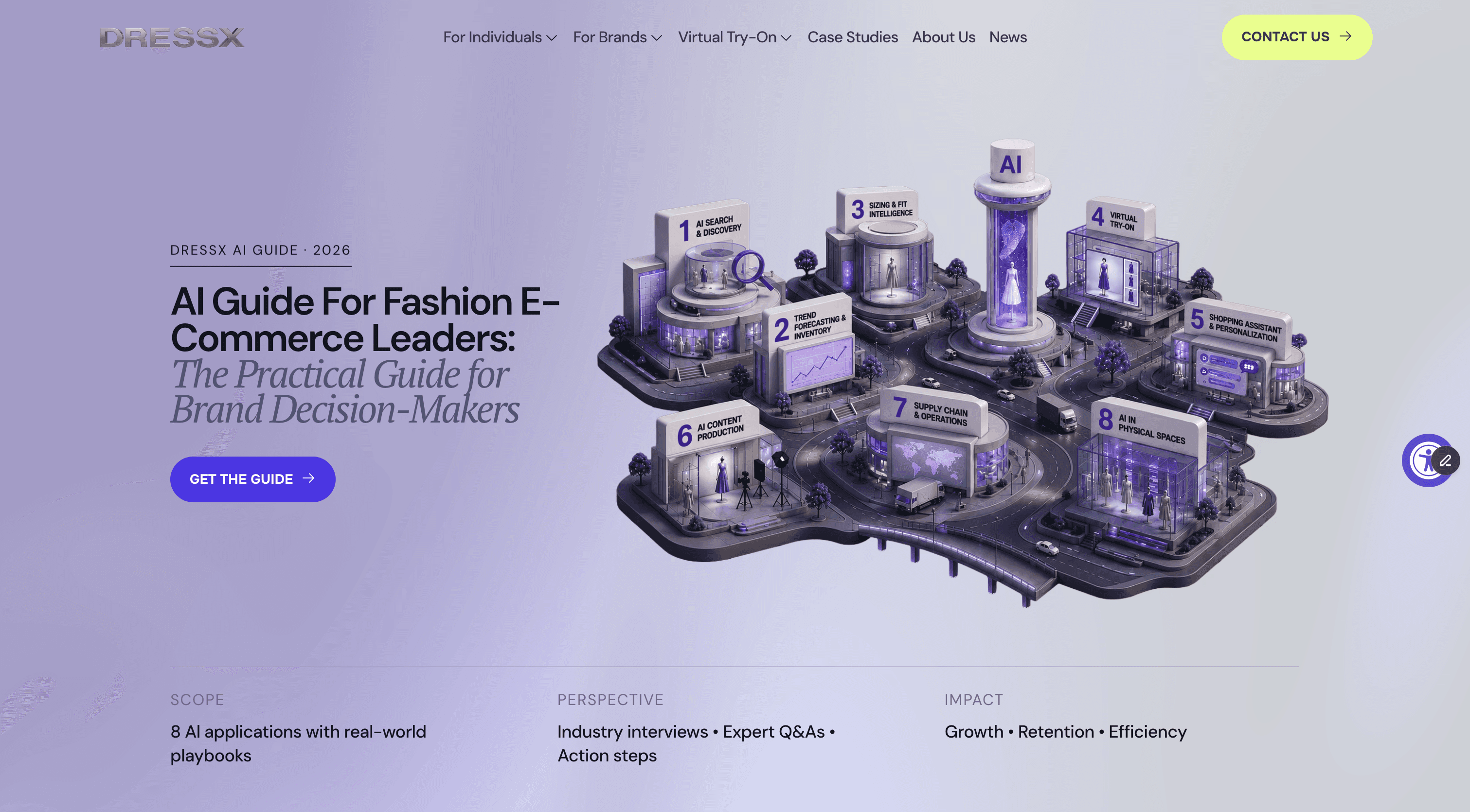
That is the problem DRESSX Virtual Try-On was built to solve, and it is one of eight applications covered in the DRESSX AI Guide for Fashion E-Commerce Leaders.
→ Explore DRESSX Virtual Try-On for fashion brands
→ Get the full DRESSX AI Guide for Fashion E-Commerce Leaders